Vietnamese cuisine is celebrated for its fresh ingredients, vibrant flavors, and health benefits. This Q&A guide explores the heart of Vietnamese family cooking, offering insights into creating delicious and nutritious meals that everyone can enjoy. Whether you’re curious about traditional dishes, managing food allergies, or involving kids in the kitchen, we’ve got you covered.
What are the staple ingredients in Vietnamese family meals?
What are the staple ingredients in Vietnamese family meals?
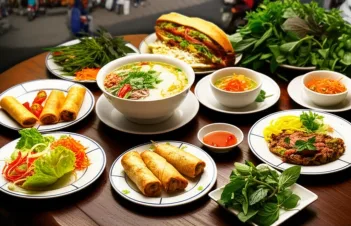
Vietnamese family meals are a celebration of fresh, vibrant flavors and balanced nutrition, relying on a foundation of staple ingredients. Rice is the undisputed cornerstone, served steamed, broken (cơm tấm), or as noodles (bún, phở). Fish sauce (nước mắm) is indispensable, providing a salty, umami depth to countless dishes. Fresh herbs like mint (rau húng), cilantro (rau mùi), and basil (rau quế) add aromatic complexity and freshness. A variety of vegetables, from leafy greens to crunchy cucumbers and pickled carrots, contribute essential vitamins and textures.
Meats, including pork (thịt heo), chicken (gà), beef (bò), and seafood (tôm, cá), offer protein and diverse flavors. Pork is particularly common. These ingredients are skillfully combined to create dishes that are both delicious and nutritionally balanced. The emphasis on fresh ingredients and simple cooking methods preserves their natural flavors and health benefits.
How can I adapt traditional Vietnamese recipes for food allergies?
“`html
Adapting traditional Vietnamese recipes for food allergies involves mindful ingredient substitutions. For gluten intolerance, replace soy sauce with tamari or coconut aminos, ensuring to check labels for hidden gluten. Rice noodles are naturally gluten-free and a great alternative to wheat-based noodles. Nut allergies can be tricky; avoid peanut sauce and opt for sunflower seed butter or tahini in sauces. Always be vigilant about cross-contamination.
Soy is another common allergen. Coconut aminos can replace soy sauce, and soy-based tofu can be substituted with chickpea tofu or more vegetables. Shellfish allergies require careful attention. Ensure no cross-contamination occurs when preparing meals. Instead of shrimp paste, experiment with fermented bean paste alternatives, though these may contain soy. When in doubt, prioritize fresh herbs and spices to boost flavor, and always double-check ingredients with your guests to ensure their safety and enjoyment.
“`
What are some easy and kid-friendly Vietnamese dishes to cook with my family?
“`html
What are some easy and kid-friendly Vietnamese dishes to cook with my family?
Involving your family in the kitchen is a fantastic way to bond and introduce new flavors. Vietnamese cuisine offers several dishes that are both easy to prepare and appealing to children. These dishes emphasize fresh ingredients and simple techniques, making them perfect for a family cooking session.
Gỏi cuốn (spring rolls) are a great starting point. Kids can help wash vegetables like lettuce, mint, and cilantro, and assemble the rolls with cooked shrimp, pork, and vermicelli noodles. The dipping sauce, usually a peanut or hoisin base, can also be customized to suit everyone’s taste.
Phở gà (chicken noodle soup) is another excellent choice. Children can assist in washing and chopping vegetables, and adding spices like star anise and ginger to the broth. Assembling the bowls with cooked chicken, noodles, and fresh herbs is also a fun activity.
Finally, Bánh tráng nướng (rice paper pizza) is a creative and interactive dish. Kids can spread toppings like ground pork, egg, and chili sauce on rice paper, then grill it until crispy. This dish is highly customizable, allowing each family member to create their own unique pizza.
“`
How does Vietnamese family cuisine promote healthy eating habits?
How does Vietnamese family cuisine promote healthy eating habits?
Vietnamese family cuisine naturally encourages healthy eating through its core principles. There’s a strong emphasis on fresh vegetables, often served raw or lightly cooked, retaining their nutrients. Dishes frequently include a variety of colorful vegetables, providing a wide range of vitamins and minerals. Lean proteins like fish, chicken, and tofu are favored over red meats, reducing saturated fat intake. The use of minimal processed foods is another key factor. Families typically cook from scratch using whole ingredients, avoiding the additives and preservatives found in many processed products.
Vietnamese cooking also utilizes a wide array of herbs and spices, not just for flavor but also for their health benefits. For example, turmeric, found in many Vietnamese dishes, is known for its anti-inflammatory and antioxidant properties. Cilantro, mint, and basil add fresh flavors and are rich in vitamins. These natural seasonings replace excessive salt and unhealthy fats, contributing to a balanced and nutritious diet. This approach helps children develop a palate for natural flavors, reducing their reliance on processed foods later in life.
What are some tips for introducing Vietnamese flavors to picky eaters?
Okay, here’s a chapter about introducing Vietnamese flavors to picky eaters:
Introducing Vietnamese flavors to picky eaters can be a delightful, gradual process. Start with milder, more familiar dishes like pho ga (chicken noodle soup) with a simplified broth or com tam (broken rice) with grilled pork, omitting strong sauces initially. The goal is to create positive associations with Vietnamese food.
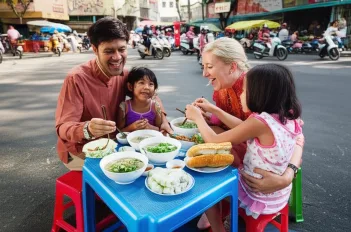
Presentation is key. Make the meal visually appealing with colorful vegetables cut into fun shapes. Serve food in small portions to avoid overwhelming the child. Get them involved in the preparation process, like washing vegetables or assembling spring rolls, to pique their interest.
Make mealtime fun and engaging. Tell stories about the origin of the dishes or the ingredients used. Offer a small reward for trying new things, but avoid pressuring them to finish everything. Remember, the aim is to create a positive and enjoyable experience, gradually expanding their palate and appreciation for Vietnamese cuisine. Be patient and persistent, and celebrate small victories along the way.
Final thoughts
Vietnamese family cuisine offers a delightful blend of flavors and health benefits, perfect for bringing families together. By understanding the staple ingredients, adapting recipes for allergies, and involving kids in the cooking process, you can create nutritious and delicious meals that everyone will love. Embrace the vibrant world of Vietnamese cooking and enjoy the journey of exploring new tastes and traditions with your family. Bon appétit!