Embarking on a family trip to Vietnam? Vietnamese cuisine is a delight, but navigating it with kids can raise questions. This Q&A guide addresses common concerns about food safety, finding kid-friendly dishes, managing allergies, and ensuring a smooth culinary experience. Get ready to savor the flavors of Vietnam with confidence!
Is Vietnamese Street Food Safe for Children?
Is Vietnamese Street Food Safe for Children?
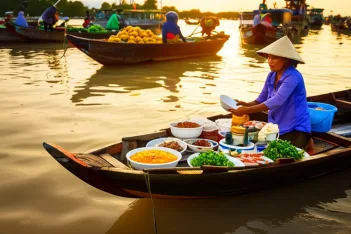
Navigating the vibrant world of Vietnamese street food with children requires careful consideration. While the tantalizing aromas and diverse flavors are enticing, hygiene standards can vary significantly. Potential risks include inconsistent food handling practices, water quality concerns, and the freshness of ingredients.
To minimize risks, prioritize busy stalls where food is cooked to order using fresh ingredients. Observe the vendor’s hygiene practices; look for clean surfaces and utensils. Be cautious of pre-prepared foods that may have been sitting out for extended periods. Certain foods, like raw shellfish or salads, might pose a higher risk.
Before your trip, consult your pediatrician about necessary vaccinations and health precautions. Discuss potential risks associated with foodborne illnesses and learn how to manage them. Remember, a little preparation can go a long way in ensuring a safe and enjoyable culinary experience for your family.
What are Some Kid-Friendly Vietnamese Dishes?
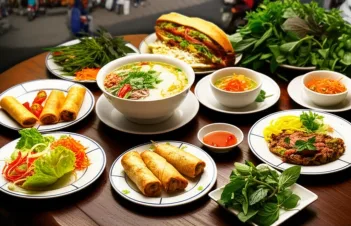
Fortunately, Vietnamese cuisine offers a variety of dishes that are generally mild in flavor and easy for children to enjoy. Pho, a flavorful noodle soup, is a popular choice. Banh Mi, a Vietnamese sandwich, can be customized with fillings that appeal to younger palates. Fresh spring rolls, with their light and refreshing taste, are another great option. Com Tam, broken rice with grilled pork, is also typically well-received.
For picky eaters, consider requesting modifications like omitting spicy ingredients or sauces. You can also ask for plain rice or noodles with simple toppings. If your child has dietary restrictions, inquire about gluten-free or vegetarian options. Many Vietnamese dishes can be adapted to suit different needs.
What are Some Kid-Friendly Vietnamese Dishes?
What are Some Kid-Friendly Vietnamese Dishes?
Vietnamese cuisine offers a variety of dishes that are generally mild and appealing to children. Pho (noodle soup) is a classic choice, featuring a flavorful broth, soft noodles, and tender meat (usually chicken or beef). Banh Mi (sandwich) can be customized with fillings like grilled pork, pate, and vegetables, though you can request it without spicy ingredients. Fresh spring rolls are another refreshing option, filled with vermicelli noodles, shrimp or pork, and fresh herbs, served with a peanut dipping sauce (ensure no allergies). Com Tam (broken rice with grilled pork) is a simple yet satisfying dish.
For picky eaters, consider offering plain rice with a side of lightly seasoned meat or vegetables. You can also request dishes to be prepared without chili or strong spices. If your child has dietary restrictions, many restaurants are willing to accommodate requests for gluten-free or vegetarian options. When ordering, clearly communicate any allergies or preferences to the staff, perhaps using a translation app to ensure clear understanding. Remember to introduce new foods gradually and encourage your children to try small portions of different dishes.
How to Handle Food Allergies in Vietnam?
How to Handle Food Allergies in Vietnam?
Traveling with food allergies requires careful planning. Common allergens in Vietnamese cuisine include peanuts (a key ingredient in sauces and toppings), shellfish (present in many seafood dishes and broths), soy sauce (used extensively), and fish sauce. Before your trip, create an allergy card in Vietnamese, clearly stating the allergens and potential reactions. You can find translation templates online by searching for “allergy card Vietnamese.”
When dining out, show the card to the restaurant staff and ask detailed questions about ingredients. Be wary of cross-contamination, especially with shared cooking surfaces. Pack safe snacks from home to avoid uncertainty, and familiarize yourself with Vietnamese food labels, though these may not always be comprehensive. Research allergy-friendly restaurants or accommodations in advance. Resources like online travel forums dedicated to food allergies can be invaluable. Remember that “chay” (vegetarian) options may still contain allergens like soy. Consider bringing epinephrine auto-injectors if prescribed, and confirm that they are permitted in Vietnam.
Tips for Avoiding Food Poisoning During Your Trip
Tips for Avoiding Food Poisoning During Your Trip
To ensure a healthy and enjoyable family trip to Vietnam, it’s crucial to take precautions against food poisoning. A primary step is to drink only bottled water and avoid ice, as tap water may not be safe. Frequent hand washing, especially before meals, is also essential. When selecting restaurants, look for establishments that appear clean and well-maintained, indicating good hygiene practices.
Familiarize yourself with the symptoms of food poisoning, such as nausea, vomiting, diarrhea, and abdominal cramps. If someone in your family gets sick, seek medical attention promptly. Travel insurance that covers medical expenses can be invaluable in such situations. Research reputable clinics and hospitals in the areas you plan to visit. It’s also wise to carry a basic first-aid kit with remedies for mild digestive issues.
Understanding Vietnamese Meal Times and Customs
Understanding Vietnamese Meal Times and Customs:
Vietnamese meal times are generally: breakfast (6:00 AM – 8:00 AM), lunch (11:30 AM – 1:00 PM), and dinner (6:30 PM – 8:00 PM). However, these times can vary depending on family schedules and regional customs.
Dining etiquette is important in Vietnamese culture. It’s customary to wait for the elders to begin eating as a sign of respect. Using chopsticks properly is also crucial; avoid sticking them upright in your rice bowl, as it resembles incense offerings for the deceased.
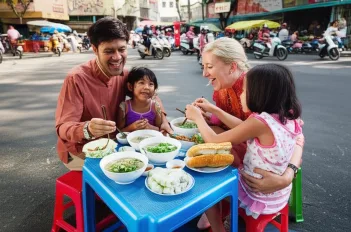
Family meals are a central part of Vietnamese life. Dishes are typically shared, with everyone taking portions from communal bowls. It’s polite to offer food to others before serving yourself and to use serving utensils when available. This sharing emphasizes togetherness and respect within the family unit.
Final thoughts
Exploring Vietnamese cuisine with your family can be an enriching experience. By addressing concerns about food safety, identifying kid-friendly options, and understanding local customs, you can create lasting memories. With careful planning and informed choices, your family can savor the diverse and delicious flavors of Vietnam with confidence and peace of mind. Enjoy your culinary adventure!