Embark on a captivating journey into the heart of the Mekong Delta, where life unfolds on the water. Explore the bustling floating markets, a unique cultural experience where boats become trading hubs. Discover the enchanting waterways, savor local delicacies, and witness the vibrant trading culture that defines this region.
A Day in the Life of a Mekong Delta Trader
Cai Rang: The Mekong Delta’s Busiest Floating Market
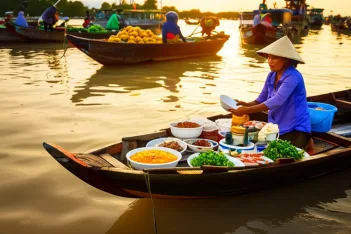
Cai Rang Floating Market stands as the Mekong Delta’s most vibrant and bustling hub of commerce. Its scale is impressive, with hundreds of boats congregating on the Hau River, laden with fresh produce and local delicacies. The market’s atmosphere is a symphony of sounds and colors, a true feast for the senses.
Established in the early 20th century, Cai Rang has earned its place as a national intangible cultural heritage site, a testament to its enduring cultural significance. A distinctive feature is the use of ‘cay beo‘ poles, bamboo stalks displaying samples of the goods each boat offers, creating a unique visual landscape.
Visitors can find a wide array of products, from the freshest fruits and vegetables to local specialties like breakfast soups and coffee served directly from the boats. The market comes alive in the early hours, typically from 2 AM, with the peak activity between 5 AM and 6 AM. To fully experience Cai Rang, tourists can rent boats from Ninh Kieu or An Binh Wharf. It’s advisable to arrive early to avoid the crowds and consider hiring a local guide to delve deeper into the market’s history and culture, steering clear of potential tourist traps.
Cai Rang The Mekong Delta’s Busiest Floating Market
Cai Rang: The Mekong Delta’s Busiest Floating Market
Cai Rang Floating Market, the Mekong Delta’s grandest, pulsates with life. Hundreds of boats converge on the Hau River, a symphony of commerce and culture. From its humble beginnings in the early 20th century, it has earned its place as a national intangible cultural heritage site. The atmosphere is electric, a kaleidoscope of colors and sounds unique to the Delta.
Central to the market’s identity are the ingenious ‘cay beo’ poles. These bamboo masts display samples of goods, from vibrant fruits to leafy greens, high above the waterline, beckoning buyers from afar. The market offers a cornucopia of products, from fresh produce to aromatic breakfast soups and strong Vietnamese coffee served directly from the boats.
For tourists, the best time to visit is between 5 and 6 AM, when the market is at its peak. Renting a boat from Ninh Kieu or An Binh Wharf is the easiest way to access the market. To truly immerse yourself and avoid tourist traps, consider hiring a local guide to navigate the waterways and share the market’s rich history.
Beyond the Tourist Trail Exploring Authentic Floating Markets
Beyond the Tourist Trail: Exploring Authentic Floating Markets
While Cai Rang offers a vibrant introduction to Mekong Delta’s floating markets, venturing further unveils hidden gems. Phong Dien, near Can Tho, presents a more intimate experience with fewer tourists. Here, witness genuine local interactions as vendors trade fresh produce, household goods, and regional delicacies like *hu tieu* and *banh mi*.
Long Xuyen, in An Giang province, provides a down-to-earth atmosphere. Observe daily life as boats moor along the Hau River, trading fruits, vegetables, and local specialties. Prices are reasonable, and the locals are known for their friendly demeanor, making it ideal for first-time adventurers seeking an off-the-beaten-path experience.
For the truly adventurous, Nga Nam in Soc Trang province, located at a five-way river crossing, offers a glimpse into the bustling wholesale trade. Witness vendors trading everything from vegetables and fish to clothing and kitchenware in this lively, less touristy market. These markets offer unique cultural nuances and opportunities for genuine interaction, enriching your Mekong Delta adventure.
Savoring the Flavors of the Mekong Delta A Culinary Journey
Having ventured beyond the typical tourist spots and explored the authentic floating markets, it’s time to indulge in another essential aspect of the Mekong Delta: its cuisine. The floating markets are not just centers of trade; they are also vibrant culinary hubs, offering a tantalizing array of local dishes.
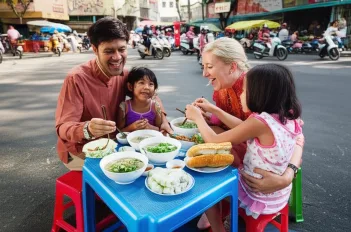
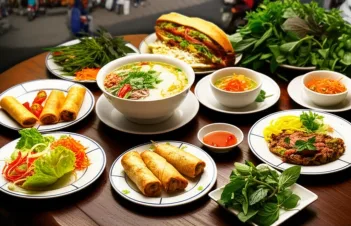
Embark on a flavorful adventure as you navigate the waterways, sampling the must-try dishes that define the region. Hu tieu, a savory noodle soup, is a staple, with its rich broth, tender pork, and fresh herbs. Bun mam, a fermented fish soup, offers a more pungent and complex flavor profile, appealing to adventurous palates. And of course, no culinary journey would be complete without banh mi, the iconic Vietnamese sandwich, filled with a variety of meats, pickled vegetables, and flavorful sauces.
These dishes are more than just food; they are a reflection of the Mekong Delta’s history and culture. Passed down through generations, these recipes tell stories of resilience, resourcefulness, and the unique blend of influences that have shaped the region’s culinary identity.
For food lovers visiting the floating markets, be sure to explore the various food stalls and sample as much as you can. Don’t be afraid to ask locals for recommendations, and always prioritize stalls with high turnover to ensure freshness and food safety. With a little curiosity and an open mind, you’re sure to discover some unforgettable flavors on your culinary journey through the Mekong Delta.
Ethical Travel and Sustainable Tourism in the Mekong Delta
As we transition from savoring the culinary delights of the Mekong Delta, it’s crucial to consider the impact our travels have on this vibrant region. Ethical travel and sustainable tourism are paramount to preserving the floating markets and the communities that depend on them.
Supporting local communities is key. Opt for locally-owned businesses, homestays, and restaurants. When purchasing souvenirs, choose fair trade products that ensure artisans receive a fair wage. Be mindful of your environmental footprint by reducing waste, using reusable water bottles, and avoiding single-use plastics. Respect cultural traditions by dressing modestly, asking permission before taking photos, and being mindful of local customs.
Seek out eco-friendly tour operators committed to sustainable practices, minimizing environmental impact, and supporting local economies. Responsible tourism ensures the long-term health of the Mekong Delta, preserving its beauty and culture for generations to come. By making conscious choices, we can contribute to a more sustainable and equitable future for this unique corner of Vietnam.
Final thoughts
A Mekong Delta floating market tour offers an unforgettable cultural immersion, revealing the soul of Vietnam’s waterways. From the bustling markets to the serene canals, this adventure provides a glimpse into a unique way of life. Embrace the vibrant trading culture, savor the local flavors, and create lasting memories in this captivating region.