The Mekong Delta, Vietnam’s ‘Rice Bowl,’ boasts a unique and diverse cuisine shaped by its fertile lands and cultural influences. This article explores the must-try dishes that define the region, from savory noodle soups to sweet treats, offering a delicious journey through Southern Vietnam’s culinary landscape. Get ready to discover the soul of the Mekong Delta through its food.
Bun Mam Fermented Fish Noodle Soup
Hu Tieu My Tho, a beloved dish, offers a delightful contrast to the intense flavors of Bun Mam. Imagine a clear, light broth, carefully simmered with pork bones and dried shrimp, creating a savory base for the dish. Unlike the bold, fermented flavors of Bun Mam, Hu Tieu My Tho presents a more delicate and comforting profile.
The dish features clear, chewy rice noodles, topped with slices of pork, shrimp, quail eggs, and crispy fried shallots. Diners often customize the taste with lime, chili, and fresh herbs, adding a personal touch to this classic Mekong Delta dish. Its light yet satisfying nature makes it a popular choice any time of day, and with a price range of 30,000 to 70,000 VND per bowl, it’s an affordable and delicious culinary experience.
Hu Tieu My Tho A Clear Rice Noodle Soup
Hu Tieu My Tho, a beloved dish, stands out as another prime example of Mekong Delta cuisine. Unlike the intense flavors of Bun Mam, this flavorful noodle soup presents a lighter, more approachable taste, perfect for those new to the region’s gastronomy. It features clear, chewy rice noodles, crafted from the renowned Go Cat rice, immersed in a light yet savory broth. The broth, a delicate blend of pork and seafood, offers a comforting and satisfying experience.
The soup is generously topped with slices of pork, shrimp, quail eggs, and crispy fried shallots, enhancing both its flavor and texture. Diners often customize their bowl with a squeeze of lime, a dash of chili, and a sprinkle of fresh herbs, tailoring the taste to their preference. With prices ranging from 30,000 to 70,000 VND, Hu Tieu My Tho is an affordable and delicious culinary adventure.
Bun Nuoc Leo Rice Noodles with Fish Broth
Following the comforting *Hu Tieu My Tho*, the culinary journey through the Mekong Delta continues with Bun Nuoc Leo, a dish that exemplifies the region’s diverse flavors. Unlike the clear broth of the previous soup, Bun Nuoc Leo features a rich and aromatic fish broth, a testament to the Mekong’s abundant freshwater fish. This broth is carefully crafted with a blend of local spices, creating a savory and fragrant base for the dish.
Soft rice noodles form the foundation, complemented by toppings of fresh fish slices, succulent shrimp, and a medley of fresh herbs. The interplay of savory, slightly sour, and fragrant tastes makes Bun Nuoc Leo a unique culinary experience. Often, fresh vegetables and chili are added, allowing diners to customize the flavors to their preference. For those seeking an authentic taste of the Mekong Delta, Bun Nuoc Leo is a must-try, offering a glimpse into the region’s culinary soul before we explore the tangy delights of *Canh Chua Ca*. The typical price ranges from 20,000 to 40,000 VND per bowl.
Canh Chua Ca Sour Fish Soup
Following the delightful exploration of Bun Nuoc Leo, our culinary journey through the Mekong Delta continues with another celebrated dish: Canh Chua Ca, or Sour Fish Soup. This soup is a true embodiment of the region’s culinary philosophy, perfectly balancing the fresh bounty of the river with a symphony of flavors.
Canh Chua Ca is renowned for its refreshing and tangy profile, making it an ideal dish for the Mekong Delta’s tropical climate. The soup features a tamarind-infused broth, which lends a distinctive sourness that awakens the palate. Fresh river fish, such as snakehead or catfish, is gently simmered in the broth, imparting a delicate sweetness. Pineapple and tomatoes contribute further to the complex flavor profile, adding both sweetness and acidity.
What truly sets Canh Chua Ca apart is the inclusion of local herbs like sawtooth coriander and rice paddy herb, which add aromatic and slightly peppery notes. The combination of sweet, sour, and savory elements creates a harmonious balance that is both satisfying and invigorating. Typically paired with steamed rice and fresh vegetables, Canh Chua Ca offers a complete and nourishing meal. Expect to pay between 40,000 to 70,000 VND for a serving, a small price for such an explosion of flavors.
Banh Xeo Mekong Delta Pancake
Banh Xeo, the Mekong Delta pancake, is a culinary emblem, offering a delightful contrast to the sour notes of the Canh Chua Ca enjoyed previously. This popular street food, readily available and remarkably affordable, showcases the region’s culinary versatility.
The magic begins with a batter of rice flour, turmeric, and coconut milk, skillfully cooked to achieve a crispy, golden exterior that crackles with each bite. This savory pancake is then generously filled with a medley of shrimp, pork, bean sprouts, and mushrooms, creating a harmonious blend of textures and flavors.
Served with an array of fresh herbs like lettuce, mint, and perilla leaves, Banh Xeo encourages diners to create their own wraps, dipping each into a tangy sauce of fish sauce, lime, sugar, and chili. This interactive experience perfectly balances crispy, fresh, and flavorful elements, preparing the palate for the mini crispy rice pancakes, Banh Khot, that follow.
Banh Khot Mini Crispy Rice Pancakes
Following the delightful exploration of Banh Xeo, another culinary gem awaits: Banh Khot. These aren’t just pancakes; they’re miniature explosions of flavor and texture. Imagine tiny, crispy rice pancakes, each cooked to golden perfection in its own little mold.
Banh Khot are a symphony of textures, crispy on the outside, yielding to a soft, slightly chewy interior. Atop this delightful base sit treasures of fresh shrimp, often complemented by the subtle sweetness of mung beans and the fresh bite of green onions. The magic truly unfolds when these mini pancakes are served with an array of fresh herbs – mint, basil, lettuce – and, of course, a tangy fish sauce dipping sauce.
The affordable price adds to the allure, making it a must-try for any traveler seeking an authentic taste of the Mekong Delta. The crispy, savory, and fresh flavors dance on your palate, preparing you for the next culinary adventure: the sweet and delicate Banh Bo Thot Not.
Banh Bo Thot Not Palm Sugar Steamed Rice Cake
Banh Bo Thot Not, or Palm Sugar Steamed Rice Cake, is a unique and delightful dessert, a true gem among the Mekong Delta’s culinary treasures. This cake distinguishes itself with a soft, chewy texture, achieved through a meticulous steaming process. The star ingredient, palm sugar (thốt nốt), imparts a naturally sweet, caramel-like flavor, creating a delightful sensory experience.
The subtle sweetness and fragrant aroma of Banh Bo Thot Not make it an ideal treat to follow a savory meal, offering a balanced conclusion to the palate. Typically, it’s served in small, bite-sized pieces, often accompanied by a drizzle of creamy coconut milk or fresh coconut shreds, enhancing its richness and texture.
You can easily find this local delicacy at bustling local markets and from street vendors throughout the Mekong Delta, especially in provinces like An Giang and Tra Vinh. It is also available at affordable prices.
Tips for Enjoying Mekong Delta Cuisine
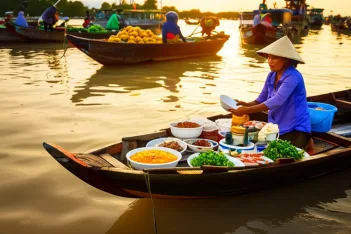
When visiting the Mekong Delta, the rich and diverse flavors can be overwhelming, especially with so many unique options to explore. To make the most of your culinary journey in this vibrant region, here are some essential tips. Building on the delightful experience of savoring Banh Bo Thot Not, consider venturing into the bustling local and floating markets. These vibrant hubs offer a wide array of freshly prepared dishes at affordable prices.
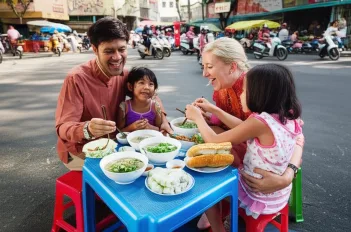
Don’t hesitate to ask locals for recommendations; their insights can lead you to hidden culinary gems. Pair your dishes with the region’s abundant fresh herbs and flavorful dipping sauces to elevate the taste. Enjoy street food safely by choosing busy stalls with clean cooking practices. Lastly, be sure to carry cash, as many vendors may not accept cards. These tips will enhance your food experience and allow you to fully appreciate the region’s rich heritage and warm hospitality.
Final thoughts
Exploring the Mekong Delta’s cuisine is an adventure for the senses, offering a taste of Southern Vietnam’s heart and soul. From bustling floating markets to quiet roadside stalls, each dish tells a story of tradition, resilience, and the region’s abundant natural resources. So, dive in and savor the unique flavors of the Mekong Delta, creating unforgettable culinary memories.