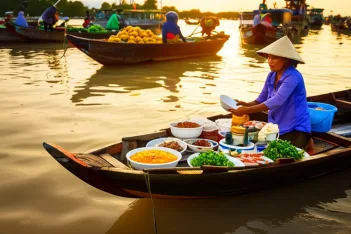
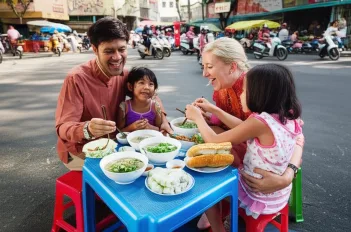
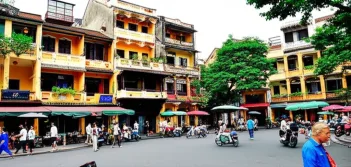
Embark on a journey into the vibrant world of Sapa homestays. This Q&A guide explores the unique cultural experiences offered by these accommodations, from interacting with ethnic minorities to savoring authentic Vietnamese cuisine. Discover how homestays provide an intimate glimpse into Sapa’s rich traditions and local life, making your visit truly unforgettable.
What Makes Sapa Homestays Unique Cultural Experiences
What Makes Sapa Homestays Unique Cultural Experiences:
Sapa homestays stand apart by offering deep cultural immersion, unlike typical hotels. Guests reside within the homes of local ethnic minorities – Hmong, Dao, Tay, Giay, and Xa Pho – gaining firsthand exposure to their traditions. Interactions extend beyond simple transactions, fostering genuine connections with host families.
Opportunities abound for learning about unique customs and participating in daily life. Imagine weaving traditional textiles alongside a Hmong artisan or learning rice farming techniques from a local farmer. Some homestays offer cooking classes featuring regional cuisine, storytelling sessions around the fireplace, or guided tours of nearby villages and markets. These experiences provide insights that no hotel can replicate, creating lasting memories rooted in authentic cultural exchange. These are the key features of homestays in Sapa.
How to Choose the Right Sapa Homestay for Cultural Immersion:
Selecting the right Sapa homestay hinges on aligning your preferences with the cultural immersion you seek. Consider the homestay’s location; proximity to villages and markets often indicates greater opportunities for interaction. Research the host family’s background and their willingness to share their culture, this is very important. Look for homestays that offer cultural activities like traditional crafts or farming.
Before booking, explore reputable platforms and read reviews, paying attention to mentions of cultural exchange and host interactions. Communicate with hosts beforehand to discuss your interests and expectations, ensuring a good fit. This proactive approach enhances your chances of a truly immersive and enriching Sapa homestay experience.
How to Choose the Right Sapa Homestay for Cultural Immersion
Choosing the right Sapa homestay is crucial for genuine cultural immersion. Location is paramount; consider homestays nestled within villages or near local markets for authentic interactions. Research the host family’s background and their willingness to share their traditions. Do they actively involve guests in daily activities or offer cultural experiences like cooking classes or craft workshops?
Before booking, delve into online reviews, seeking insights into past guests’ cultural immersion experiences. Contact potential hosts beforehand, inquiring about their cultural offerings and expressing your desire to participate actively. Reputable homestay booking platforms often provide detailed information about host families and their cultural activities. Using DuckDuckGo, search for “Sapa homestay cultural tourism” to discover resources and platforms specializing in culturally immersive experiences. A well-researched homestay ensures a deeper, more meaningful connection with Sapa’s rich cultural tapestry, enriching your travel experience beyond typical sightseeing.
Experiencing Sapa’s Local Life Through Homestays
Experiencing Sapa’s Local Life Through Homestays:
Daily life in a Sapa homestay offers a unique window into the traditions of the region’s ethnic minorities. Guests are often invited to participate in the rhythm of rural life, from helping prepare meals using freshly harvested ingredients to joining in the rice planting or harvesting, depending on the season. Attending local festivals and ceremonies provides a deeper understanding of the spiritual beliefs and social customs that shape the community. Learning a few basic phrases in the local language enhances interactions and fosters genuine connections. These experiences, far beyond typical tourist activities, contribute to a richer understanding of Sapa’s cultural heritage, offering insights into the values, skills, and resilience of its people. Guests gain a firsthand appreciation for the intricate tapestry of Sapa’s way of life.
Sapa Food Culture A Culinary Journey Through Homestays
Sapa Food Culture A Culinary Journey Through Homestays: Explore the role of food in Sapa’s homestay culture. Prepare for a delightful culinary adventure when you choose a homestay in Sapa. Food is central to the homestay experience, offering a window into the local culture. Guests can expect to savor authentic dishes prepared with fresh, locally sourced ingredients. Traditional cooking methods are employed, passed down through generations.
Meals are often shared with the host family, creating a warm and intimate setting for cultural exchange. You’ll learn about the significance of each dish and the traditions surrounding food preparation and consumption. Explore local markets and food festivals to sample a wider array of Sapa’s culinary delights. These vibrant events showcase the region’s diverse flavors and provide opportunities to interact with local vendors and artisans. Don’t miss the chance to participate in a cooking class and learn to recreate some of your favorite Sapa dishes back home.
Responsible Homestay Tourism in Sapa Respecting Local Traditions
Responsible Homestay Tourism in Sapa Respecting Local Traditions:
Responsible tourism is paramount to preserving Sapa’s unique cultural heritage. When choosing a homestay, consider its impact on the local community. Respecting traditions means being mindful of your attire; dressing modestly shows consideration for local customs. Always ask permission before photographing people, especially elders, as some may find it intrusive.
Avoid public displays of affection or loud, disruptive behavior, which can be seen as disrespectful. Engage with your host family and community members with genuine curiosity and respect, showing interest in their way of life.
Support the local economy by purchasing handicrafts directly from artisans and eating at locally-owned restaurants. Inquire about ways to contribute to sustainable development initiatives, such as supporting local schools or environmental conservation projects. By practicing responsible tourism, you ensure that your visit benefits the community and helps preserve Sapa’s cultural identity for future generations. Remember that you are a guest in their home and community, and your actions should reflect that.
Communicating Effectively with Your Sapa Homestay Hosts
Communicating Effectively with Your Sapa Homestay Hosts
Overcoming language barriers is key to enriching your Sapa homestay experience. While English might be spoken in some tourist-oriented locations, it’s not widely used in more remote villages. Learning a few basic Vietnamese phrases can go a long way in showing respect and facilitating simple interactions. Consider phrases like “xin chào” (hello), “cảm ơn” (thank you), and “tôi không hiểu” (I don’t understand).
For deeper conversations, translation apps like Google Translate or iTranslate are invaluable. DuckDuckGo can help you find up-to-date reviews and comparisons of these apps. Alternatively, consider hiring a local guide or interpreter, not just for translation, but also for cultural insights. Remember that communication is more than just words. Patience, a smile, and respectful body language can bridge many gaps. Be mindful of non-verbal cues and adapt to your hosts’ communication style. Building a genuine connection requires effort and understanding from both sides.
Final thoughts
Sapa’s homestay culture offers an unparalleled opportunity for cultural immersion and authentic travel experiences. By choosing the right homestay, respecting local traditions, and engaging with host families, travelers can gain a deeper understanding of Sapa’s rich heritage. Embrace the chance to connect with the local community, savor traditional cuisine, and create lasting memories in this captivating corner of Vietnam. A Sapa homestay is more than just accommodation; it’s a gateway to a world of cultural discovery.