The Mekong Delta, a region in southern Vietnam, is famous for its unique floating markets. These bustling markets, where vendors sell goods from boats, offer a glimpse into the local culture and way of life. This article provides a comprehensive guide for foreign tourists planning to visit these vibrant markets, ensuring an unforgettable experience.
Understanding the Allure of Mekong Delta Floating Markets
Planning Your Trip to the Mekong Delta:
To experience the floating markets at their peak, the best time to visit the Mekong Delta is during the dry season, from December to April. During this time, the weather is more predictable, with less rain and lower humidity, making it ideal for exploring the waterways.
Transportation from Ho Chi Minh City to the Mekong Delta is readily available. Buses offer an affordable option, with several reliable companies operating regular routes to key market towns. Private cars provide a more comfortable and flexible alternative, allowing you to customize your itinerary. Boats are also available for a more immersive experience.
Accommodations in towns like Can Tho, Cai Be, and My Tho range from budget-friendly hostels to comfortable hotels and unique homestays. For practical tips, ensure your visa is in order, exchange currency for Vietnamese Dong, and familiarize yourself with local customs to ensure a respectful and enjoyable visit.
Planning Your Trip to the Mekong Delta
Planning Your Trip to the Mekong Delta:
To experience the floating markets at their peak, the best time to visit the Mekong Delta is during the dry season, from December to April. During these months, the weather is more predictable, with less rain and lower humidity, making it ideal for boat trips and market visits.
Transportation from Ho Chi Minh City to the Mekong Delta is readily available. Buses are a cost-effective option, with several reliable companies offering daily services to key market towns like Can Tho, My Tho and Cai Be. Private cars provide a more comfortable and flexible journey, while boats offer a scenic route through the delta’s waterways.
Accommodation options in these towns cater to various budgets, from budget-friendly hostels and guesthouses to comfortable hotels and unique homestays. Consider staying in Can Tho for easy access to Cai Rang Floating Market, or in Cai Be or My Tho for a more tranquil experience.
Practical tips for travel planning include ensuring your visa is valid, exchanging currency for Vietnamese Dong, and being mindful of local customs, such as dressing respectfully when visiting temples and pagodas.
Exploring Cai Rang Floating Market The Largest Hub
Exploring Cai Rang Floating Market: The Largest Hub
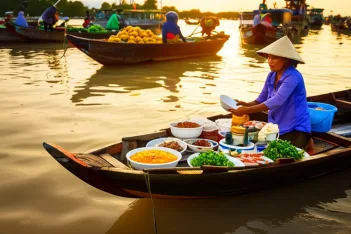
Cai Rang Floating Market, near Can Tho, stands as the Mekong Delta’s largest and most celebrated hub of commerce. As dawn breaks, the market awakens with a symphony of sounds – the chugging of engines, the calls of vendors, and the lively chatter of buyers and sellers. Hundreds of boats, laden with colorful produce, converge on the river, creating a mesmerizing spectacle of bustling activity.
A unique tradition here is the ‘hanging sample’ (‘cây bẹo’) method. Vendors hoist a tall bamboo pole and hang samples of their goods, making it easy for customers to spot what’s on offer from afar.
While navigating the market, be sure to sample local delicacies. Hu tieu, a flavorful noodle soup, is a popular breakfast choice, as is strong Vietnamese coffee, brewed fresh on the boats. For practical advice, arrive early (around 5:00 AM) to witness the market at its peak and negotiate prices respectfully. Prepare for a sensory overload and embrace the vibrant chaos of this unique cultural experience.
Discovering Cai Be Floating Market A Historical Perspective
Discovering Cai Be Floating Market: A Historical Perspective
Cai Be Floating Market, once a bustling trading hub established in the 18th century, holds significant historical importance in the Mekong Delta. While it may not be as large or active as Cai Rang today, it still offers a glimpse into the past. Historically, Cai Be served as a crucial exchange point between the region and other parts of Vietnam.
Compared to Cai Rang, Cai Be is smaller and less crowded, providing a more intimate experience. You’ll find local specialties such as fresh fruits like grapes, starfruits, and rambutans as well as seafood and poultry being sold.
For alternative activities, consider visiting nearby fruit orchards to sample local produce or exploring traditional workshops where you can witness the creation of handicrafts. Recent visitor reviews suggest that while the market’s activity has decreased, its charm and historical value remain appealing. Exploring the area surrounding the market provides a more historical context of the region.
Venturing to Phong Dien Floating Market An Authentic Experience
Venturing to Phong Dien Floating Market: An Authentic Experience
Phong Dien Floating Market, located a short distance southwest of Can Tho, offers a refreshing contrast to the larger, more tourist-oriented markets. Its charm lies in its authenticity, providing a glimpse into the daily lives of local traders. Unlike the bustling Cai Rang, Phong Dien maintains a more peaceful atmosphere, where smaller boats gather to exchange goods.
What sets Phong Dien apart is the diverse range of products available. Beyond the usual fresh fruits and vegetables, you’ll find vendors selling household tools, handmade crafts, and even fish traps. This market truly caters to the everyday needs of the local community.
To experience Phong Dien like a local, try striking up conversations with the vendors. Local insights reveal that bargaining is acceptable, but always do so respectfully. Cultural etiquette suggests learning a few basic Vietnamese phrases to enhance your interactions. Recent travel blogs highlight Phong Dien as a hidden gem, offering a genuine and less-filtered glimpse into Mekong Delta life.
Essential Tips for Foreign Tourists Visiting Floating Markets
Here are some essential tips to ensure a smooth and enriching experience at the Mekong Delta floating markets. When bargaining, do so respectfully and with a smile; a little haggling is expected, but maintain a friendly demeanor. Prioritize food safety by choosing vendors with visibly clean stalls and freshly prepared items. Be mindful of photography etiquette; always ask for permission before taking photos of people. Keep your belongings secure and be aware of your surroundings to ensure personal safety.
Remember to pack essentials such as sunscreen, a hat, insect repellent, and comfortable clothing suitable for the tropical climate. Safety guidelines include staying hydrated, avoiding overly crowded areas, and being cautious of slippery surfaces on boats.
Cultural sensitivity is paramount; dress modestly, avoid loud or disruptive behavior, and show respect for local customs and traditions to ensure a responsible and rewarding visit. Embrace the local culture and enjoy the unique atmosphere of the floating markets!
Final thoughts
Visiting the Mekong Delta floating markets offers a unique and immersive cultural experience for foreign tourists. From the bustling activity of Cai Rang to the authentic charm of Phong Dien, each market provides a glimpse into the traditional way of life in the Mekong Delta. By planning your trip carefully and respecting local customs, you can create unforgettable memories and gain a deeper appreciation for this vibrant region of Vietnam.