The Mekong Delta, known as the ‘Rice Bowl’ of Vietnam, is a culinary paradise. This article explores the region’s unique cuisine through a Q&A format, highlighting must-try dishes and local specialties. From fresh seafood to tropical fruits and vibrant floating markets, discover the flavors that make the Mekong Delta a food lover’s dream. Get ready to embark on a delicious journey!
What Makes Mekong Delta Cuisine Unique
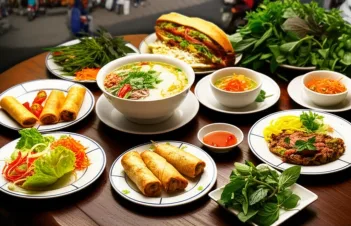
What are the essential dishes that every visitor to the Mekong Delta should try? Every visitor should sample Bun mam, a fermented fish noodle soup with a bold, savory broth, enriched with seafood and fresh herbs. Hu Tieu My Tho, a clear rice noodle soup, offers a lighter taste with pork and seafood broth, garnished with herbs and fried shallots. Banh Xeo, the Mekong Delta pancake, is a crispy crepe filled with shrimp, pork, and bean sprouts, served with fresh herbs and dipping sauce. Lastly, Canh chua ca, a sour fish soup, balances sweet, sour, and savory flavors with tamarind broth, fish, pineapple, and local herbs.
These dishes are iconic because they represent the region’s culinary identity, influenced by its geography and blend of cultures. The best versions can be found in local markets, floating markets, and family-run restaurants, where traditional recipes and fresh ingredients ensure an authentic experience.
Must-Try Dishes in the Mekong Delta
Must-Try Dishes in the Mekong Delta: What are the essential dishes that every visitor to the Mekong Delta should try? The Mekong Delta’s culinary landscape is a tapestry of flavors, and several dishes stand out as must-try experiences. First, there’s Bun mam, a fermented fish noodle soup with a robust broth made from fermented fish paste. It’s typically served with seafood, rice noodles, and fresh herbs. Then, Hu Tieu My Tho, a clear rice noodle soup, offers a lighter yet flavorful experience with pork and seafood broth, topped with pork slices, shrimp, and quail eggs.
No culinary journey is complete without Banh Xeo, the Mekong Delta pancake. This savory crepe is made from rice flour, turmeric, and coconut milk, filled with shrimp, pork, and bean sprouts. Lastly, Canh chua ca, a sour fish soup, provides a refreshing balance with its tamarind broth, fresh fish, pineapple, and tomatoes.
These dishes are iconic due to their unique flavors and cultural significance. The best versions can be found in local markets and eateries throughout the Mekong Delta, each offering a distinct take on these regional specialties.
Exploring Floating Markets for Culinary Delights
Exploring Floating Markets for Culinary Delights: What is the significance of floating markets in the Mekong Delta’s culinary scene?
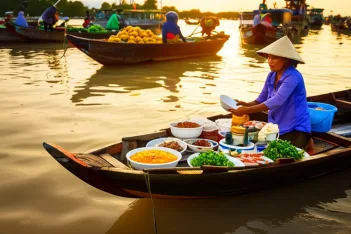
Floating markets are the heart of the Mekong Delta’s culinary scene, offering a unique and vibrant experience. They are not just places to buy and sell goods but also centers of culture and cuisine. Famous markets like Cai Rang and Phong Dien bustle with activity, as vendors in boats sell a variety of foods and drinks.
Visitors can find everything from steaming bowls of *Hu Tieu* to fresh tropical fruits and Vietnamese coffee. These markets provide a sensory feast, with the sounds of bargaining, the smells of cooking, and the colorful sights of boats laden with produce.
For navigating the floating markets, it’s best to arrive early in the morning (between 5 am and 8 am) to witness the peak of activity. Bargaining is common, so don’t hesitate to negotiate prices with vendors. Expect to interact closely with locals, who are generally friendly and welcoming.
Tips for Enjoying Mekong Delta Cuisine Safely
Tips for Enjoying Mekong Delta Cuisine Safely: What are some essential tips for ensuring a safe and enjoyable culinary experience in the Mekong Delta?
To fully appreciate the Mekong Delta’s cuisine, it’s crucial to prioritize safety. When selecting food vendors, opt for those with high foot traffic, indicating freshness and trustworthiness. Observe hygiene practices, ensuring clean cooking surfaces and proper food handling. To avoid foodborne illnesses, thoroughly cooked food is your best bet. Be cautious with raw vegetables and salads, especially if you have a sensitive stomach.
When it comes to unfamiliar ingredients, don’t hesitate to ask vendors about them. Most are happy to share information about their dishes. For street food, choose stalls that prepare food fresh and avoid those with food sitting out for extended periods. Use hand sanitizer before eating, especially when street food is involved.
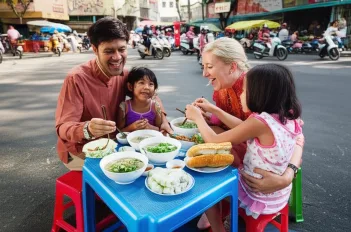
Respect local customs by eating where locals eat and trying regional specialties. Carry small denominations of cash, as many vendors may not accept cards. Basic Vietnamese phrases can enhance your interactions, but a smile goes a long way. Remember, a little caution ensures a delightful culinary journey.
Tropical Fruits You Can Only Find Fresh in the Mekong Delta
The Mekong Delta is also a treasure trove of unique tropical fruits. Fresh from the orchards or floating markets, these fruits offer an unparalleled taste of the region. Don’t miss the chance to savor a star apple (vú sữa), with its sweet, milky pulp. Durian, known for its pungent aroma and creamy texture, is a local favorite, while rambutan, with its spiky red shell and sweet, juicy flesh, is a delightful treat.
Other must-try fruits include the juicy Long An watermelon, the fragrant Ben Tre coconut, and the sweet Vinh Long pomelo. For a unique experience, try the purple longan from Soc Trang or the palmyra fruit from An Giang. These fruits are best enjoyed fresh and in season, offering a true taste of the Mekong Delta’s rich agricultural bounty. You can find these fruits in local markets and orchards, and the best way to enjoy them is to simply peel and eat them fresh.
Beyond the Plate Local Eateries and Hidden Gems
Beyond the Plate Local Eateries and Hidden Gems: Visitors seeking authentic and off-the-beaten-path culinary experiences in the Mekong Delta should venture beyond typical tourist spots. Ask locals for recommendations; they often know the best family-run restaurants and hidden culinary gems.
Look for eateries in smaller towns and along the canals. For instance, in Cai Be, try “Ba Duc” restaurant known for its *ca kho to* (caramelized fish in clay pot). In Sa Dec, “Hu Tieu Ba Sam” offers a delicious version of *hu tieu* My Tho. To find these places, explore local markets and ask vendors for their favorite spots.
Recent reviews and recommendations can be found online; search for local food blogs and forums. These establishments are known for dishes like *banh xeo*, *bun mam*, and fresh seafood. Don’t be afraid to try something new!
Final thoughts
Exploring the Mekong Delta’s cuisine is an unforgettable adventure. From savory noodle soups to exotic fruits, the region offers a diverse range of flavors that reflect its rich culture and fertile lands. Whether you’re a seasoned foodie or a curious traveler, the Mekong Delta’s culinary scene is sure to delight your senses and leave you with lasting memories. So, pack your appetite and get ready to savor the best of Southern Vietnam!