Embark on a captivating Hoi An farming and fishing tour, a culinary adventure that unveils the heart of Vietnamese cuisine. This journey takes you beyond the bustling streets, immersing you in the serene countryside where you’ll discover the secrets of local farming and traditional fishing practices. Get ready for a unique farm-to-table experience, filled with authentic flavors and unforgettable moments.
Discovering Tra Que Vegetable Village A Cyclist’s Paradise
From Rice Paddy to Plate Hands-On Farming Experience
After exploring the vibrant Tra Que Vegetable Village, the journey continues to the heart of Vietnamese agriculture: the rice paddies. Here, you’ll have the opportunity to experience firsthand the labor-intensive process of rice cultivation, a cornerstone of Vietnamese culture and cuisine. Unlike the delicate tending of herbs and vegetables, working in the rice paddies involves a different kind of connection with the land, a more physical and demanding one.
Farmers in Hoi An still employ many traditional rice farming techniques passed down through generations. While some modern machinery is used, much of the work relies on manual labor and time-honored methods. You’ll learn how to prepare the land for planting, a process that often involves plowing the fields to create a soft bed for the rice seedlings. The transplanting of wet rice is a crucial step, requiring careful placement of each seedling to ensure optimal growth. This is back-breaking work, often done under the hot sun, providing a true appreciation for the dedication of the farmers.
From Rice Paddy to Plate Hands-On Farming Experience
“`html
From Rice Paddy to Plate Hands-On Farming Experience:
Having explored the vibrant Tra Que Vegetable Village, our culinary adventure now leads us to the heart of Vietnamese agriculture: the rice paddies. Here, you’ll experience firsthand the labor-intensive process of rice farming, a cornerstone of Vietnamese culture and cuisine.
Traditional rice farming techniques in Hoi An remain largely unchanged for centuries. Farmers still rely on water buffalo to plow the fields, preparing the soil for planting. You’ll have the opportunity to try your hand at transplanting wet rice, carefully placing each seedling into the flooded earth. This is backbreaking work, but it offers a profound appreciation for the effort that goes into producing this staple food.
Water buffalo play a vital role, and you might even get a chance to guide one. The process involves transplanting young rice plants into the prepared paddy fields, ensuring they are properly spaced to allow for optimal growth.
The cultural significance of rice in Vietnamese society cannot be overstated. It’s more than just a food source; it’s a symbol of prosperity, community, and the connection to the land.
“`
Basket Boat Wonders Exploring Hoi An’s Waterways
Basket Boat Wonders Exploring Hoi An’s Waterways:
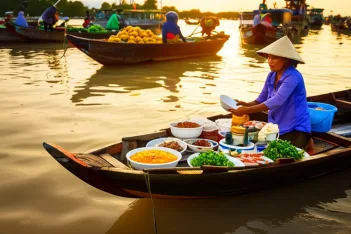
Following the immersive experience in the rice paddies, the Hoi An farming and fishing tour takes a unique turn, inviting you to discover the waterways in a traditional Vietnamese basket boat. These circular vessels, also known as coracles, have a rich history, believed to have originated as a clever way for fishermen to evade taxes during French colonial times. By crafting boats deemed too small for taxation, they preserved their livelihoods.
Today, these boats are icons of the region. Constructed from bamboo and waterproofed with resin and coconut oil, the process of making a basket boat is a traditional art. Local fishermen expertly navigate these boats, using them to cast nets and set traps for various fish and seafood, including shrimp, crab, and various local fish species.
However, the local fishing community faces challenges, including pollution and the impact of increasing tourism. Traditional fishing techniques, using specific nets and traps, are increasingly threatened. Local communities are actively working to protect the environment and preserve their way of life. Tourism, while bringing economic benefits, also puts a strain on resources, requiring a balanced approach to ensure the sustainability of this unique cultural practice. The experience of gliding through the water in these unique boats provides a tangible connection to the past and a deeper understanding of the present challenges.
A Culinary Finale Savoring Authentic Vietnamese Flavors
A Culinary Finale: Savoring Authentic Vietnamese Flavors
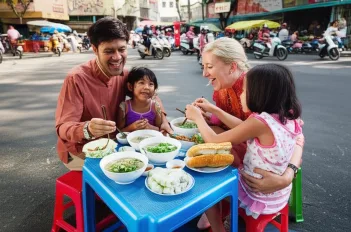
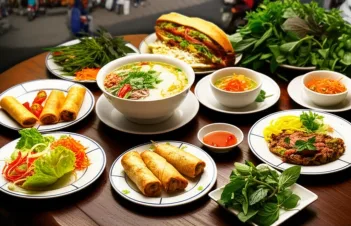
The Hoi An farming and fishing tour culminates in a culinary experience that embodies the essence of Vietnamese cuisine. Lunch, often enjoyed with a local family, is a highlight. Dishes typically served include regional specialties like Cao Lau, a flavorful noodle dish unique to Hoi An, and Mi Quang, turmeric noodles with pork, shrimp, and herbs. Fresh ingredients, sourced directly from the farms visited earlier, are key.
The farm-to-table concept elevates the dining experience, showcasing the vibrant flavors of just-harvested vegetables and freshly caught seafood. Traditional Vietnamese cooking methods, such as steaming, stir-frying, and simmering, are employed to preserve the ingredients’ natural goodness. Popular spices and herbs like lemongrass, chili, mint, and coriander add aromatic complexity. Vietnamese cuisine reflects the country’s culture and history, with influences from Chinese, French, and other culinary traditions, while popular drinks include fresh fruit juices, local beer, and traditional Vietnamese coffee. This culinary finale provides a deeper appreciation for the connection between the land, the sea, and the Vietnamese table, setting the stage for further exploration of Hoi An’s rich cultural tapestry.
Beyond the Tour Enriching Your Hoi An Experience
Beyond the Tour: Enriching Your Hoi An Experience
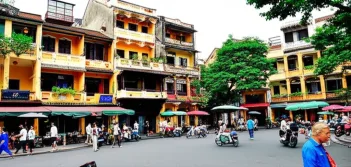
The Hoi An farming and fishing tour provides a fantastic introduction to the region, but there’s so much more to discover. To further immerse yourself in the local culture, consider exploring the ancient town’s architecture, visiting the Japanese Covered Bridge, or wandering through the bustling Hoi An Central Market. For culinary enthusiasts, numerous cooking classes offer hands-on experience in preparing authentic Vietnamese dishes. Many other food tours explore the diverse flavors of Vietnamese cuisine, from street food to regional specialties.
Delve deeper into Hoi An’s cultural tapestry by attending a traditional music performance or visiting a local temple. The My Son Sanctuary, a UNESCO World Heritage Site, offers insights into the ancient Cham civilization. To support sustainable tourism, choose eco-friendly accommodations, eat at local restaurants, and purchase handicrafts directly from artisans.
The best time to visit Hoi An is during the dry season, from March to September, for pleasant weather. Numerous hotels and restaurants cater to various budgets and preferences. For an unforgettable experience, consider a stay at Anantara Hoi An Resort or a meal at Morning Glory Restaurant.
Final thoughts
The Hoi An farming and fishing tour offers a unique and immersive way to experience the authentic flavors of Vietnam. From cycling through lush vegetable gardens to trying your hand at traditional fishing, this culinary adventure connects you with the local culture and cuisine. By embracing the farm-to-table concept, you’ll gain a deeper appreciation for the hard work and dedication of the farmers and fishermen who sustain this vibrant community, leaving you with lasting memories.