Step into Hoi An Ancient Town, a UNESCO World Heritage site, and prepare to be transported. This article explores the vibrant tapestry of Hoi An, from its historical roots as a bustling trading port to its captivating present. Discover the sensory delights of its lantern-lit streets, the stories etched in its architecture, and the unforgettable flavors of its world-renowned cuisine. Join us as we delve into the heart of this Vietnamese gem.
A Port City’s Transformation Echoes of Hoi An’s Trading Past
A Port City’s Transformation Echoes of Hoi An’s Trading Past
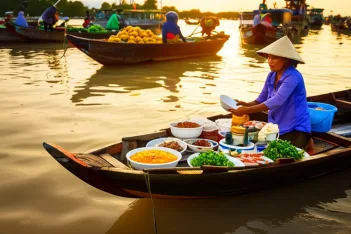
From the 16th to 19th centuries, Hoi An flourished as a major trading port, a melting pot of cultures where Vietnamese traditions intertwined with global influences. Chinese, Dutch, Portuguese, and Japanese traders left indelible marks on the town’s culture and architecture. The influx of international merchants led to a unique blend of styles, evident in the tiled roofs and wooden structures that still stand today. The Cantonese Assembly Hall, for example, showcases intricate Chinese craftsmanship.
Imagine the bustling port: the cacophony of bartering voices, the scent of spices mingling with sea air, and the sight of colorful ships lining the harbor. To feed these merchants, street food culture was born. Dishes like Cao Lau, with its unique noodles and char siu pork, are said to have originated from this era, blending Vietnamese ingredients with foreign flavors. These culinary creations became enduring symbols of Hoi An’s trading legacy.
Lanterns Aglow A Sensory Symphony of Light and Color
Hoi An’s charm extends beyond its historical significance; it’s a town where the aesthetic is amplified by the soft glow of lanterns. As dusk settles, the streets transform into a mesmerizing spectacle of light and color. Red and yellow hues dominate, casting a warm and inviting ambiance. Lanterns of all shapes and sizes adorn storefronts, balconies, and streets, creating a magical atmosphere. These aren’t mere decorations; they’re integral to Hoi An’s cultural identity, playing a central role in festivals and special occasions.
Lanterns Aglow A Sensory Symphony of Light and Color
Lanterns Aglow A Sensory Symphony of Light and Color:
As dusk settles, Hoi An transforms. The fading sunlight yields to the warm embrace of lanterns, painting the town in a mesmerizing glow. These aren’t mere lights; they’re symbols deeply woven into Hoi An’s cultural fabric. Predominantly, you’ll find vibrant reds, yellows, and oranges, colors believed to bring luck and prosperity. Lanterns come in various shapes and sizes, from simple spheres to intricate lotus flowers and dragons, each telling a silent story.
During festivals, especially the Mid-Autumn Festival and the Lantern Festival, the town explodes in a riot of light. The Thu Bon River reflects a thousand shimmering colors as lanterns are released to float on the water. The soft, diffused light creates an intimate and magical atmosphere, inviting visitors to slow down and savor the moment.
The lanterns’ symbolism is rich, with different colors and shapes representing various wishes and beliefs. The history of lantern making in Hoi An is a tale of skilled artisans, passed down through generations. Some families and workshops have become renowned for their exquisite craftsmanship, employing techniques that have remained largely unchanged for centuries, ensuring that this radiant tradition continues to illuminate Hoi An’s nights.
Architectural Whispers Stories Etched in Stone and Wood
Architectural Whispers: Stories Etched in Stone and Wood
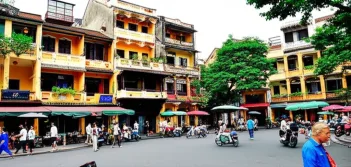
Beyond the enchanting glow of lanterns, Hoi An’s architecture whispers tales of a rich, multicultural past. The town’s unique architectural style is a captivating fusion of Vietnamese, Chinese, Japanese, and European influences, a testament to its history as a bustling trading port. Imagine running your hand along the weathered ochre walls of a traditional merchant house, feeling the coarse texture of the aged plaster. The intricate carvings on the wooden facades of the Japanese Covered Bridge speak of delicate craftsmanship and cultural exchange.
Look closer, and you’ll notice the harmonious blend of styles: the sturdy Vietnamese tube houses, the ornate Chinese assembly halls, and the subtle European neoclassical elements integrated into various buildings. These structures have been preserved through careful restoration efforts, allowing visitors to step back in time and experience the town’s unique atmosphere. The sounds of the city echo through the narrow streets, bouncing off the ancient walls, creating an immersive sensory experience. Historical landmarks like the Quan Cong Temple and the Old House of Tan Ky are filled with stories of merchants, travelers, and the ebb and flow of history. These architectural gems stand as silent witnesses to Hoi An’s enduring legacy. As the sun sets and the lanterns ignite, the architecture comes alive, casting long shadows that dance across the ancient stones.
A Culinary Journey Hoi An’s Street Food Delights
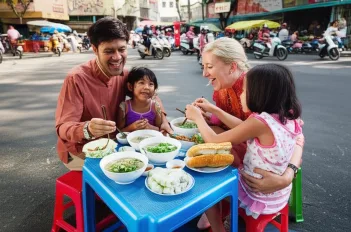
Having wandered through the architectural marvels, where stories are etched in stone and wood, the journey now turns to another sensory delight: Hoi An’s street food. The aroma of spices and sizzling delicacies fills the air, beckoning travelers to indulge in a culinary adventure unlike any other.
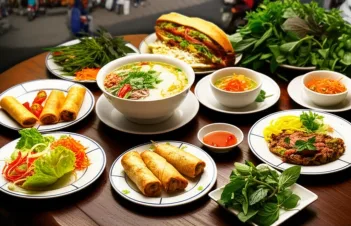
First, Cao Lau, a noodle dish found almost exclusively in Hoi An. The chewy rice noodles, made with lye water and ash, are topped with char siu-style pork, fresh greens, and crispy croutons. Locals whisper that the secret lies in using water from the Ba Le well and ash from Cham Island hardwood. Try it at Morning Glory (106 Nguyen Thai Hoc, Ancient Town, 10 AM – 11 PM, ~90,000 VND ≈ $3.80) or Cao Lau Lien (16 Thai Phien, 1 PM – 9 PM, 25,000–45,000 VND ≈ $1.00–$1.80).
Then, there’s Banh Mi Phuong (2B Phan Chu Trinh, Ancient Town, 6:30 AM – 9:30 PM, 20 000–40 000 VND ≈ $0.80–$1.60), arguably the best sandwich in Vietnam. Crispy on the outside, fluffy on the inside, and filled with pate, cold cuts, and pickled vegetables. A local alternative is Madam Khanh (115 Tran Cao Van, Minh An Ward, 6:30 AM – 7 PM, 25 000–30 000 VND ≈ $1.00–$1.20).
Don’t miss Banh Bao Banh Vac, or White Rose dumplings, delicate rice-flour parcels filled with shrimp or pork, topped with crispy shallots, and served with a sweet fish sauce. It is said that only one family knows the original recipe. Find them at White Rose Restaurant (533 Hai Ba Trung, Cam Pho Ward, 7 AM – 8:30 PM, 50 000–100 000 VND ≈ $2.00–$4.00) or Miss Ly Cafe (22 Nguyen Hue, Ancient Town, 7 AM – 10 PM, ~60 000 VND ≈ $2.40).
Mi Quang, a turmeric-infused noodle dish with pork, shrimp, and quail eggs, topped with peanuts and rice crackers, is a must-try. Locals recommend Mi Quang Ong Hai (6A Truong Minh Luong, Cam Chau Ward, 6 AM – 9 PM, 15 000–40 000 VND ≈ $0.60–$1.60) or Mi Quang Di Hat (81 Phan Chu Trinh, Minh An Ward, 5 PM – 10 PM, 15 000–25 000 VND ≈ $0.60–$1.00).
For a crispy treat, try Hoanh Thanh Chien, or fried wontons, topped with tomato-based sauce. Miss Ly Cafe (22 Nguyen Hue, Ancient Town, 7 AM – 10 PM, ~100 000 VND ≈ $4.00 per plate) and Hoi An Central Market stalls (Tran Phu St inside market, 6 AM – 6 PM, 5 000–20 000 VND ≈ $0.20–$0.80 per piece) are popular spots.
No culinary journey is complete without Banh Xeo, a sizzling pancake filled with pork, shrimp, and bean sprouts. Enjoy it at Baby Mustard (Tra Que Vegetable Village, ~11 AM – 2 PM, ~60 000 VND ≈ $2.40 per pancake) or Banh xeo Gieng Ba Le (45–51 Tran Hung Dao, Ancient Town, 9:30 AM – 10:30 PM, ~35 000–50 000 VND ≈ $1.40–$2.00).
For a sweet ending, savor Che Bap, a sweet corn pudding with coconut milk. Find it at Che Bap Co Nga (45 Le Loi, Minh An Ward, 9 AM – 10 PM, 8 000–15 000 VND ≈ $0.32–$0.60 per cup) or Co Nga Tea (Central Market, 9 AM – 10 PM, 8 000–15 000 VND ≈ $0.32–$0.60).
Finally, quench your thirst with Mot Herbal Tea, a refreshing infusion of local herbs and lemongrass, believed to connect drinkers with Hoi An’s herbal traditions. Try it at Mot Hoi An Café (150 Tran Phu, Minh An Ward, Ancient Town, 8 AM – 10 PM, ~18 000 VND ≈ $0.60 per cup).
These culinary gems offer a taste of Hoi An’s soul, a blend of history, culture, and tradition, waiting to be explored.
Beyond the Ancient Town Exploring Hoi An’s Surroundings
Beyond the Ancient Town Exploring Hoi An’s Surroundings
Hoi An’s charm extends beyond its ancient walls, inviting exploration of its diverse surroundings. A short trip unveils serene beaches like An Bang and Cua Dai, offering a tranquil escape with soft sands and gentle waves. The Tra Que Vegetable Village provides a sensory immersion into rural life, with vibrant greens and aromatic herbs filling the air. Here, visitors can participate in gardening activities and savor the fresh flavors of local cuisine.
Venture further to discover the My Son Sanctuary, a UNESCO World Heritage site showcasing ancient Cham architecture. This historical site echoes with the stories of a bygone era, offering a glimpse into Vietnam’s rich cultural tapestry. These locations complement Hoi An’s experience, offering diverse sensory experiences and activities.
Reaching these destinations is easy, with taxis, motorbikes, and bicycles readily available. Organized tours are also a convenient option for My Son. A day trip to these locations adds depth to the Hoi An experience, blending relaxation, cultural immersion, and historical exploration.
Preserving the Past Ensuring Hoi An’s Future
Preserving the Past: Ensuring Hoi An’s Future
Hoi An’s allure lies not only in its vibrant present but also in its meticulously preserved past. Recognizing its unique cultural and historical significance, UNESCO designated Hoi An as a World Heritage Site. However, this recognition brings the responsibility of safeguarding its heritage against various threats. Over-tourism poses a significant challenge, leading to the degradation of historical buildings and infrastructure. Economic pressures also tempt some to prioritize short-term gains over long-term preservation.
Several organizations are dedicated to protecting Hoi An, including the Hoi An Center for Monuments Management and Preservation. They work to restore buildings, regulate tourism, and promote sustainable practices. Visitors play a crucial role by respecting local customs, supporting responsible businesses, and minimizing their environmental impact.
Local perspectives are vital in preservation efforts. Many residents understand the importance of maintaining their heritage for future generations and actively participate in conservation projects. Sustainable tourism, which balances economic benefits with cultural and environmental preservation, is essential for Hoi An’s continued success. By embracing responsible travel, visitors contribute to ensuring that Hoi An’s timeless charm endures.
Final thoughts
Hoi An Ancient Town is more than just a destination; it’s an immersive experience that awakens the senses and nourishes the soul. From its captivating history and architecture to its tantalizing cuisine and vibrant culture, Hoi An offers a unique glimpse into Vietnam’s rich heritage. As you wander through its lantern-lit streets and savor its unforgettable flavors, you’ll discover a town that has gracefully preserved its past while embracing the future, leaving you with memories to cherish for a lifetime. Remember to travel responsibly and support local efforts to preserve this extraordinary treasure.