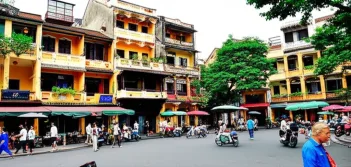
Hanoi Train Street is a world-famous spot where a train track runs perilously close to homes and businesses. This article answers all your burning questions about visiting this unique location, from safety tips and the best viewpoints to its history and how to respect the local community. Get ready to explore one of Hanoi’s most fascinating hidden gems!
What is Hanoi Train Street and why is it so famous?
Is it safe to visit Hanoi Train Street What are the risks?
Visiting Hanoi Train Street presents inherent safety concerns that visitors must acknowledge. The primary risk stems from the close proximity to the active railway tracks. When a train passes, the space between the train and the buildings is extremely narrow, leaving very little room for error. It’s crucial to maintain a safe distance, generally recommended to be at least 1.5 meters from the tracks, as the carriages often extend beyond the rails themselves.
While there have been no recent reports of major accidents, the potential for incidents is ever-present if safety guidelines are ignored. Prior to restrictions being put in place, there were instances of near misses and minor injuries due to people getting too close to the tracks while attempting to take photographs or not heeding warnings. Local authorities have implemented barricades and patrol the area to mitigate risks, but ultimately, individual responsibility is paramount. Visitors should remain vigilant, listen for warning signals, and follow instructions from locals and café owners to ensure their safety.
Is it safe to visit Hanoi Train Street What are the risks?
Is it safe to visit Hanoi Train Street? What are the risks?
Visiting Hanoi Train Street presents unique safety concerns. The most obvious danger is the proximity to the active railway tracks. When a train passes, the space between the train and the buildings is extremely narrow, leaving very little room for error. It’s crucial to maintain a safe distance, generally recommended to be at least 1.5 meters, and to be aware of the train schedule.
Accidents, though not frequent, have occurred when visitors get too close to the tracks or are distracted. Duckduckgo search can give you more information about these incidents. The trains cannot stop quickly, and the narrow confines offer no escape route if someone misjudges the distance or timing. It is essential to pay attention to warning signals, follow instructions from locals, and avoid taking photos on the tracks when a train is approaching. The desire for a unique photo should never outweigh the importance of personal safety. Staying alert and being aware of your surroundings are paramount to a safe visit.
What are the current regulations for visiting Train Street?
What are the current regulations for visiting Train Street?
Since safety became a major concern, authorities have implemented restrictions. Currently, while the tracks are still there, direct access to the most popular sections is often blocked by barricades. A visible police presence is common to deter pedestrians from walking along the tracks when trains aren’t passing.
Designated viewing areas have emerged, primarily within cafés that line the street. These establishments offer a safer way to experience Train Street, often coordinating with local authorities. Regulations have evolved significantly. Initially, the street was freely accessible, drawing large crowds. However, due to numerous safety incidents and near misses, stricter controls were put in place, leading to the barricades and increased monitoring we see today. These changes prioritize visitor safety and aim to prevent accidents, a stark contrast to the previously unregulated environment. It’s a balance between preserving the unique appeal of Train Street and ensuring public safety, something to keep in mind after reading about the risks.
When do the trains pass through Hanoi Train Street A detailed schedule.
When planning your visit, knowing the train schedule is essential, though nailing down exact times can be tricky. Trains don’t run constantly, and the schedule isn’t set in stone. While trains typically pass through in the morning and again in the late afternoon or early evening, these times can fluctuate.
To get the most accurate information for the day you plan to visit, the best approach is to ask local cafe owners. They usually have the most up-to-date details, often coordinating with railway staff or residents who track the train movements. Keep in mind that delays or unexpected changes can occur, so it’s always wise to double-check on the day. Arriving well in advance of a scheduled passing, say 30-45 minutes, allows you to soak in the atmosphere and secure a good viewing spot before the crowds gather. Remember, safety first, so be prepared to move quickly when the train approaches, as discussed in the previous chapter.
Where are the best viewpoints for watching the train go by?
Where are the best viewpoints for watching the train go by?
The cafes lining Hanoi Train Street offer the safest and most comfortable viewing areas. Many have adapted their seating to provide unobstructed views, with some even featuring raised platforms or balconies. A DuckDuckGo search for “Hanoi Train Street cafes viewpoints” will reveal some popular choices. Look for cafes known for their hospitality and clear communication about train schedules.
For photographers, consider cafes located on the slightly curved sections of the tracks; these offer dynamic angles. Wide-angle lenses are useful for capturing the narrowness of the street and the scale of the train. Arrive early to secure a prime spot, especially during peak hours. Remember, the light is often best in the morning, providing a softer, more diffused glow. Be ready to capture not just the train, but also the daily life unfolding around it. Prioritize safety over the perfect shot, and always heed the warnings of cafe staff and locals.
How can I respect the local community while visiting Train Street?
How can I respect the local community while visiting Train Street?
Visiting Hanoi Train Street offers a unique glimpse into a community living alongside a working railway. To ensure your visit is respectful and beneficial, consider these guidelines. Supporting local businesses is paramount; purchase drinks or snacks from the cafes and vendors that line the tracks. This directly contributes to their livelihoods and helps sustain the community. Avoid intruding on private homes; refrain from peering into windows or attempting to enter residences. Always ask for permission before photographing residents, respecting their privacy and dignity. Remember, their homes are not exhibits. It’s also crucial to follow instructions from locals and authorities; they know the train schedules and safety protocols intimately. Adhering to their guidance ensures your safety and demonstrates respect for their expertise. By practicing ethical tourism, you contribute to a positive and sustainable experience for both visitors and the Train Street community. A quick search for “ethical tourism Hanoi” will provide additional insights. Remember, you are a guest in their home.
How do I get to Hanoi Train Street What’s the best way to travel there?
How do I get to Hanoi Train Street What’s the best way to travel there?
Getting to Hanoi Train Street is relatively straightforward, especially from popular areas like the Old Quarter. There are two main sections to be aware of: Ngõ 224 Lê Duẩn, the more well-known 300-meter stretch, and the longer section along Phùng Hưng Street.
From the Old Quarter, the easiest way to reach Train Street is by taxi or ride-hailing service, which typically takes about 10-15 minutes. Alternatively, you can enjoy a leisurely walk. Head towards Điện Biên Phủ street, continue onto Trần Phú, and then turn onto Lê Duẩn. Look for the small alley marked as Ngõ 224. Keep in mind that the area can get crowded, especially closer to train times.
Walking allows you to soak in the atmosphere of Hanoi, but a taxi might be preferable during hot or rainy weather. Remember to negotiate the fare beforehand if taking a traditional taxi. Once you arrive, be mindful of the surroundings and follow local guidance for a safe and enjoyable visit.
What other attractions are near Hanoi Train Street?
What other attractions are near Hanoi Train Street?
Hanoi Train Street’s prime location makes it easy to explore other nearby attractions. You can easily combine your visit with other iconic sites, turning it into a memorable day of exploration.
Just a short distance away, you’ll find the Temple of Literature, Vietnam’s first university, a serene and beautiful complex steeped in history. Hoan Kiem Lake, with its iconic Ngoc Son Temple, is also within easy reach, offering a peaceful escape from the city’s bustle. And of course, the vibrant Old Quarter, with its bustling streets and traditional shops, is a must-see.
For a full day of exploration, consider starting at the Temple of Literature in the morning, followed by a stroll around Hoan Kiem Lake. After lunch in the Old Quarter, head to Train Street for the afternoon train. In the evening, you can explore the Old Quarter’s night market or enjoy a traditional Vietnamese dinner. This itinerary provides a rich and varied experience of Hanoi’s cultural and historical highlights.
Final thoughts
Hanoi Train Street offers a thrilling glimpse into a unique way of life. By following safety guidelines, respecting local customs, and supporting community businesses, you can have an unforgettable experience. Remember to stay alert, keep a safe distance, and enjoy the incredible sight of the train passing through this extraordinary urban landscape. Make your visit memorable and safe!