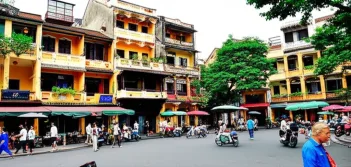
Hanoi Train Street is a world-renowned attraction where daily life intertwines with the railway. This article explores the street’s unique charm, history, and current status. We’ll address safety concerns, access restrictions, and the best ways to experience this iconic Hanoi destination, ensuring you’re well-prepared for a memorable visit.
What Makes Hanoi Train Street So Special?
What Makes Hanoi Train Street So Special?
Hanoi Train Street’s allure lies in its unique juxtaposition of daily life and railway operations. The appeal stems from the incredibly close proximity of homes and cafes to the active train tracks. Imagine sipping coffee as a train whizzes by, just inches away! This creates a thrilling, almost surreal experience that attracts tourists seeking something beyond the typical sightseeing route.
Historically, the railway tracks were built during the French colonial era in the early 20th century. Over time, as the city expanded, houses and businesses were constructed right alongside the railway, resulting in the now-famous narrow corridor. The street’s popularity surged thanks to social media, transforming it from a local oddity into a must-see attraction. The atmosphere is a blend of excitement and local charm, where the routines of daily life are momentarily paused as the train passes through. Now authorities are closely monitoring the area and requesting visitors to leave because the increasing number of tourists has raised significant safety concerns.
Navigating the Tracks Where to Find Hanoi Train Street
Navigating the Tracks: Where to Find Hanoi Train Street
Hanoi Train Street isn’t just one continuous stretch; it comprises distinct sections, each offering a unique perspective. The two primary sections are the Old Quarter section and the Le Duan section.
The Old Quarter section, easily located by searching “Hanoi Train Street” on Google Maps, brims with cafes, homestays, and shops lining the tracks. Public transportation to the Old Quarter is readily available, with numerous bus routes and taxis servicing the area.
The Le Duan section, found by searching “Ngo 224 Le Duan” on Google Maps, is further from the city center. A taxi is the most convenient way to reach this quieter area.
The Old Quarter section is more tourist-friendly, offering a vibrant, bustling atmosphere. The Le Duan section provides a more authentic experience, with fewer crowds. Safety differences exist; the Old Quarter section is more closely monitored, while the Le Duan section requires greater personal awareness due to less oversight. Remember to check current accessibility, as restrictions can change.
Is Hanoi Train Street Open? The 2025 Access Reality
Is Hanoi Train Street Open? The 2025 Access Reality:
The accessibility of Hanoi Train Street in 2025 is a complex issue. Recent reports indicate tighter restrictions, with authorities actively monitoring the area to manage safety concerns arising from large tourist crowds. Barricades and increased police presence are now common, aiming to prevent unauthorized entry.
While not entirely closed, access is significantly limited. To legally experience the street, visitors must patronize the cafes lining the tracks. Cafe owners often guide customers through less-patrolled routes, but this isn’t a guarantee.
Ignoring these restrictions carries risks. Police may issue fines or deny access altogether. More importantly, disregarding safety guidelines in such a confined space could lead to accidents with the passing trains. It’s crucial to prioritize safety and respect local regulations for a responsible visit. Authorities prioritize easing pressure on the area and ensuring railway safety.
Decoding the Schedule When to See the Train
Decoding the Schedule: When to See the Train
Knowing the train schedule is key to experiencing Hanoi Train Street safely and memorably. While a fixed timetable exists, it’s subject to change, so relying solely on online schedules isn’t advisable. Always cross-reference online information with local sources.
In 2025, trains typically run through the Old Quarter section multiple times daily, with more frequent services on weekends. Weekday trains usually pass in the evenings, while weekends offer morning, afternoon, and evening viewings. The Le Duan section generally sees trains in the mid-afternoon and early evening.
For the most accurate schedule, ask cafe owners or residents along the street. They often have up-to-date information. The best times to visit are during off-peak hours to avoid large crowds. Arriving 30-60 minutes before a scheduled train allows you to secure a good spot and enjoy the atmosphere before the rush. Remember, verifying the schedule locally ensures you don’t miss the train and enhances your safety.
Cafe Culture Where to Relax and Watch the World (and Trains) Go By
Cafe Culture: Where to Relax and Watch the World (and Trains) Go By
While the thrill of the approaching train is undeniable, Hanoi Train Street also offers a unique cafe culture. Numerous establishments line the tracks, providing a space to relax, enjoy a beverage, and soak in the atmosphere. However, with recent restrictions, access to these cafes has become more controlled.
For those seeking a safe and reviewed cafe, Indochina Station Cafe at 5a Trần Phú stands out. Its interior, furnished with old train seats and a train door, offers a novel experience. Railway Hanoi Cafe at 26/05A Trần Phú is another option, located right next to the tracks. Banana Coffee, opposite Tram Cafe, offers balcony seating with good views.
Prices range from 20,000 VND (USD 0.8) for a coffee, but may vary. Remember to inquire about safety measures and heed the instructions of cafe staff as the train approaches. These cafes provide a unique vantage point to observe daily life intertwining with the train schedule, offering a blend of relaxation and excitement.
Safety First Essential Tips for a Secure Visit
Safety First: Essential Tips for a Secure Visit
Visiting Hanoi Train Street is an exhilarating experience, but safety should be your top priority. The most significant danger is, obviously, the approaching train. Always be aware of the train schedule, which can be confirmed with local cafe owners. However, schedules can change, so remain vigilant.
When a train is approaching, stay behind the yellow lines painted on the ground. These indicate a safe distance from the tracks. It’s crucial to keep a distance of at least 1.5 meters from the rails. Never attempt to touch the train as it passes, and avoid taking photos on the tracks when a train is nearing.
If you see a train coming unexpectedly, immediately move to a safe position against the buildings or inside a cafe. Listen carefully to the instructions from locals and cafe staff; they know the safest spots. Bringing young children to the train street requires extra caution. Keep them under constant supervision and hold their hands firmly. While the experience can be thrilling for adults, it’s essential to assess whether the environment is suitable for children, given the potential risks.
Beyond the Train Exploring Nearby Attractions
Beyond the Train: Exploring Nearby Attractions
While the Hanoi Train Street offers a unique and thrilling experience, it’s also conveniently located near other captivating attractions. A visit to the train street can easily be combined with a broader exploration of Hanoi’s Old Quarter.
Hoan Kiem Lake, a central feature of Hanoi, is approximately a 15-20 minute walk from the train street. This scenic lake offers a tranquil escape from the bustling city.
The Temple of Literature, Vietnam’s first university, is roughly a 30-minute walk or a short taxi ride away. This historical site provides insights into Vietnam’s rich academic traditions.
For those seeking local experiences, the vibrant Dong Xuan Market is also within walking distance, offering a sensory overload of sights, sounds, and smells.
Exploring these nearby attractions allows visitors to immerse themselves further in Hanoi’s culture and history, creating a well-rounded and unforgettable travel experience.
Final thoughts
Hanoi Train Street offers a unique and thrilling glimpse into Hanoi’s vibrant culture. While access may be restricted and safety requires vigilance, the experience remains unforgettable. By staying informed, respecting local guidelines, and prioritizing safety, you can enjoy this iconic destination responsibly. Whether you’re capturing photos, sipping coffee, or simply soaking in the atmosphere, Hanoi Train Street promises an adventure unlike any other.