Embark on a flavorful journey through Hanoi’s vibrant street food scene. This Q&A guide answers all your burning questions, from must-try dishes to hidden gems. Get ready to tantalize your taste buds with authentic Vietnamese cuisine, local delicacies, and unforgettable culinary experiences. Let’s dive into the heart of Hanoi’s food culture!
What Makes Hanoi Street Food Unique
What Makes Hanoi Street Food Unique: Explore the distinctive characteristics of Hanoi street food compared to other Vietnamese regions. Discuss the historical influences (French, Chinese) and how they shaped Hanoi’s culinary identity. Detail the use of fresh, local ingredients and traditional cooking methods. Reference LSI keywords like ‘Vietnamese cuisine,’ ‘Hanoi food tour,’ and ‘traditional dishes’.
Hanoi’s street food distinguishes itself through a blend of historical influences and local flavors. Unlike the spicier, sweeter tastes of Southern Vietnamese cuisine, Hanoi’s dishes often feature a more subtle and refined palate. The city’s culinary identity has been significantly shaped by French and Chinese influences. The French introduced ingredients like baguettes and beef, which led to the creation of iconic dishes such as banh mi and pho. Chinese techniques are evident in noodle-making and the use of soy sauce.
Hanoi’s street food emphasizes fresh, local ingredients. Traditional cooking methods, passed down through generations, ensure authentic flavors. A Hanoi food tour will reveal the dedication to preserving traditional dishes, making Vietnamese cuisine in Hanoi a unique culinary experience.
Must-Try Dishes in Hanoi A Culinary Checklist
“`html
Now that you understand what makes Hanoi street food special, let’s dive into the essential dishes you absolutely must try. This culinary checklist will guide you through the vibrant flavors and textures that define Hanoi’s street food scene. Get ready to embark on a delicious journey!
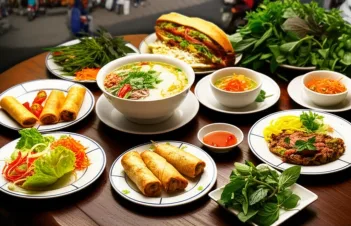
- Pho: Vietnam’s national dish, originating in Hanoi. A flavorful broth with rice noodles and meat (usually beef or chicken). Must-try: It’s a soul-warming experience and a staple of Vietnamese cuisine.
- Bun Cha: Grilled pork served with rice vermicelli noodles, herbs, and dipping sauce. Origin: Hanoi. Must-try: The smoky pork combined with fresh herbs creates a delightful balance of flavors. Eat it like a local: Dip the noodles and herbs into the sauce.
- Banh Mi: A French-Vietnamese fusion sandwich with pate, cold cuts, pickled vegetables, and chili. Origin: A product of French colonialism. Must-try: The crusty baguette and savory fillings make it a perfect on-the-go meal.
- Banh Cuon: Steamed rice rolls filled with ground pork and mushrooms, topped with fried shallots. Origin: Traditional Hanoi breakfast. Must-try: The delicate texture and savory filling offer a unique culinary experience.
- Egg Coffee: A unique Hanoi creation of strong coffee topped with a creamy egg yolk and condensed milk mixture. Origin: Hanoi. Must-try: The rich, dessert-like flavor is a delightful twist on traditional coffee.
These local delicacies are not just food; they are an integral part of the food travel Vietnam experience, offering a taste of Hanoi’s rich culinary heritage.
“`
Where to Find the Best Street Food Hotspots and Hidden Gems
Where to Find the Best Street Food Hotspots and Hidden Gems:
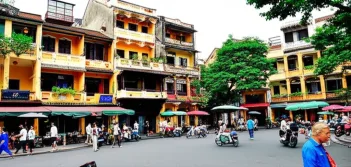
Hanoi’s culinary scene extends beyond the well-trodden paths. While the Old Quarter remains a vibrant hub, venture into lesser-known alleys to uncover authentic flavors. Dong Xuan Market, a bustling wholesale center, transforms into a street food paradise after dark, offering a diverse range of dishes at local prices.
For a more immersive experience, explore the maze-like streets surrounding Bach Ma Temple, where family-run stalls have been serving traditional delicacies for generations. Identifying authentic vendors involves observing the crowds – the longer the queue, the better the food. Don’t be afraid to venture off the main streets and explore the side alleys, where you’ll often find hidden gems. Remember to look for places where locals are eating, a sure sign of quality and authenticity. Each location offers a unique experience, from the lively atmosphere of the Old Quarter to the intimate settings of family-run stalls, providing a taste of Hanoi’s rich culinary heritage.
Navigating Hanoi’s Street Food Scene Practical Tips for Travelers
Navigating Hanoi’s Street Food Scene: Practical Tips for Travelers
Exploring Hanoi’s vibrant street food scene requires some practical knowledge. For getting around, consider walking within the Old Quarter, where most vendors are clustered. Alternatively, Grab (the Southeast Asian equivalent of Uber) offers motorbike taxis for quick, affordable trips. Cyclos, though tourist-oriented, provide a leisurely way to soak in the city.
Prioritize food safety by observing hygiene practices. Look for busy stalls with high turnover, indicating fresh ingredients. Avoid vendors using visibly unclean water or serving undercooked items. It’s wise to carry hand sanitizer and stick to bottled water.
Learning basic Vietnamese phrases enhances your experience. “Xin chào” (hello), “Cảm ơn” (thank you), and “Tôi muốn…” (I want…) go a long way. For dietary restrictions, “Tôi ăn chay” (I am vegetarian) or specifying allergies is crucial. Knowing the best times to visit different areas—breakfast pho in the early morning, bun cha for lunch—helps you catch the freshest offerings.
Beyond the Plate Understanding Hanoi’s Food Culture
Okay, here is the chapter you requested:
Beyond the Plate Understanding Hanoi’s Food Culture:
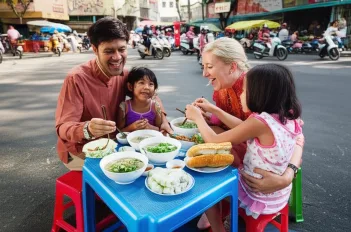
Delve into the heart of Hanoi, where street food transcends mere sustenance, becoming a vibrant expression of the city’s soul. Social interactions flourish around these mobile kitchens, fostering a sense of community as locals and visitors alike gather on tiny plastic stools. Food is not just eaten; it’s shared, discussed, and celebrated as an integral part of daily life.
Specific dishes carry rich traditions. Pho, for instance, is more than just noodle soup; it’s a breakfast ritual, a comforting start to the day. The art of enjoying Vietnamese coffee is equally important. From the strong, slow-dripped brew to the unique egg coffee, each cup is a moment to savor, a pause in the bustling city. Exploring Hanoi’s food culture is an immersive experience, inviting you to discover the stories and traditions woven into every bite. Consider a ‘Hanoi food tour’ or ‘food travel Vietnam’ to deepen your understanding.
DIY Hanoi Food Tour Creating Your Own Culinary Adventure
DIY Hanoi Food Tour Creating Your Own Culinary Adventure:
Ready to embark on a personalized culinary journey? Crafting your own Hanoi food tour allows you to explore hidden gems and savor dishes at your own pace.
Start by researching vendors online, using blogs and reviews to identify local favorites. A sample itinerary could begin with a morning bowl of *pho* at a lesser-known spot near Hoan Kiem Lake. Next, venture into the Old Quarter for *bun cha*, seeking out vendors with smoky grills and bustling crowds. For an afternoon treat, try *banh mi* from a street cart, followed by egg coffee at a traditional cafe.
When negotiating prices, remember that street food is incredibly affordable; don’t be afraid to politely inquire about the cost before ordering. Immerse yourself in the local food culture by striking up conversations with vendors and fellow diners. Venture beyond the tourist hotspots to discover authentic flavors and experiences. Chúc ngon miệng!
Final thoughts
Hanoi’s street food is more than just a meal; it’s an adventure. This Q&A guide has equipped you with the knowledge to confidently explore the city’s culinary landscape. From savory pho to sweet egg coffee, each dish tells a story. Embrace the local culture, try new flavors, and create lasting memories on your Hanoi street food adventure. Happy eating!