Embark on a flavorful journey through the bustling streets of Hanoi, where culinary delights await at every corner. This article will guide you through the best street food experiences the city has to offer, from savory noodles to sweet treats, uncovering the must-try dishes and the stories behind them. Get ready to tantalize your taste buds and immerse yourself in the authentic flavors of Hanoi.
Understanding Hanoi’s Street Food Culture
Pho, the Soul of Hanoi
Delve into the heart of Hanoi’s culinary identity with Pho, a dish that transcends mere sustenance to become a symbol of the city itself. More than just a noodle soup, Pho is a carefully constructed symphony of flavors and textures, a testament to generations of culinary refinement. The soul of Pho lies in its broth, simmered for hours with aromatic spices like star anise, cinnamon, and cloves, coaxing out a depth of umami that is both comforting and invigorating.
The foundation of any Pho is the noodles, banh pho, are made from rice flour. The preparation methods is different for Pho Bo (beef) and Pho Ga (chicken). Pho Bo features tender slices of beef, while Pho Ga showcases succulent pieces of chicken.
For an authentic Pho experience, venture to Bat Dan Street, a haven for Pho aficionados. Here, you can savor the traditional flavors of Pho in its purest form. Also, Ly Quoc Su Street is renowned for its exceptional Pho Bo. These locations offer a glimpse into the heart of Hanoi’s Pho culture.
Pho The Soul of Hanoi
Pho: The Soul of Hanoi
Following our exploration of Hanoi’s vibrant street food culture, we delve into the heart of Hanoian cuisine: Pho. This iconic noodle soup is more than just a dish; it’s a symbol of Hanoi itself.
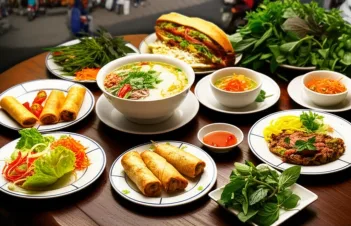
Pho’s origins are debated, but its popularity is undeniable. The key to its allure lies in the carefully crafted broth, simmered for hours with aromatic spices like star anise, cinnamon, and cloves. This fragrant base is then combined with soft rice noodles, tender slices of beef (Pho Bo) or chicken (Pho Ga), and a medley of fresh herbs.
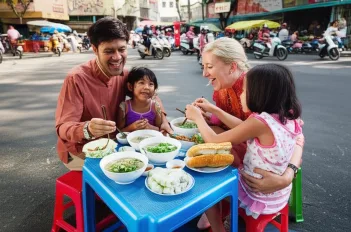
Pho Bo, the classic beef variation, often features rare slices of beef that cook in the hot broth, while Pho Ga offers a lighter, more delicate flavor. To experience the best of Hanoi’s Pho, venture into the Old Quarter. Some well-known spots include Pho Gia Truyen and Pho Thin, where you can savor a steaming bowl alongside locals, perched on small plastic stools.
I remember my first bowl of Pho in Hanoi. The rich aroma filled the air, and the taste was simply divine. It was more than just a meal; it was an immersion into the soul of Hanoi.
Bun Cha Obama’s Choice
Following Pho, another culinary star in Hanoi’s galaxy is Bun Cha. This dish gained international attention when Anthony Bourdain and President Obama shared a meal at a local eatery. Bun Cha features grilled pork patties and slices served in a flavourful broth, accompanied by vermicelli noodles and a basket of fresh herbs like basil, mint, and cilantro. The dipping sauce, a crucial component, is a delicate balance of fish sauce, lime juice, sugar, and chili, adding a tangy and spicy kick.
For an authentic experience, head to Huong Lien (Obama Bun Cha), the very spot where the famous duo dined. Other popular Bun Cha destinations include Dac Kim and several stalls along Hang Manh street. To eat Bun Cha like a local, simply dip the noodles and herbs into the broth, adding the grilled pork. Wrap everything in a lettuce leaf for a burst of fresh flavour with every bite.
Beyond Pho Exploring Other Noodle Dishes
Beyond Pho: Exploring Other Noodle Dishes
Having savored the delights of Bun Cha, it’s time to broaden our noodle horizons and delve into the diverse world of Hanoian noodle soups and salads. Pho may be the star, but Hanoi’s culinary repertoire boasts a rich supporting cast of noodle dishes, each with its own unique flavor profile.
First, we venture into the realm of Bun Rieu, a crab-based noodle soup. This tangy, tomato-infused broth is typically filled with rice vermicelli, chunks of crab meat, fried tofu, and sometimes, congealed pig blood. The sourness of the broth, combined with the richness of the crab, creates a complex and satisfying taste experience. A popular spot to try this dish is on Cua Dong Street.
Next, we explore Bun Ca, or fish noodles. This dish features crispy fried fish served in a light, flavorful broth with rice vermicelli and fresh herbs. The contrast between the crispy fish and the soft noodles is a textural delight. Head to the street food alley on P. Trung Yen for a taste of authentic Bun Ca.
Finally, we indulge in Bun Bo Nam Bo, a dry noodle salad with stir-fried beef, fresh vegetables, peanuts, and a savory dressing. This dish offers a refreshing alternative to the heavier soups and is perfect for a light lunch. You can find a good version on Hang Dieu street. Each dish offers a unique culinary experience, showcasing the depth and variety of Hanoi’s street food scene.
Banh Mi Hanoi’s Sandwich Sensation
Banh Mi: Hanoi’s Sandwich Sensation
Following the delightful exploration of Hanoi’s diverse noodle dishes, it’s time to sink our teeth into another iconic street food: the Banh Mi. This Vietnamese sandwich is a testament to culinary fusion, born from the intersection of French and Vietnamese flavors. Its history traces back to French colonial times, when the baguette was introduced. Local ingenuity transformed it into a uniquely Vietnamese creation.
The key to a classic Banh Mi lies in its components. A crispy, airy baguette forms the base, filled with savory pate, an assortment of cold cuts (such as Vietnamese ham or pork), pickled vegetables (carrots and daikon radish), fresh cilantro, and a smear of mayonnaise or chili sauce. Each vendor puts their own spin on the fillings, creating a delightful variety to explore. For a taste of tradition, try Banh Mi Hoi An for its classic flavors or Banh Mi P for its pate.
For the perfect Banh Mi experience, don’t hesitate to customize! Request extra chili for a fiery kick, or ask for more pickled veggies for added tang. Whether you’re grabbing a quick breakfast or a satisfying lunch, the Banh Mi is a must-try in Hanoi’s culinary landscape, a testament to the city’s vibrant street food culture. This portable delight perfectly bridges the gap between savory courses and the sweet treats that await.
Sweet Endings Hanoi’s Dessert Scene
Following the savory delights of Banh Mi, Hanoi offers a tempting array of sweet treats to complete your culinary journey. The city’s dessert scene is a delightful blend of traditional Vietnamese flavors and innovative creations. One must-try is Che, a diverse category of sweet soups or puddings. Each variety offers a unique combination of ingredients like beans, jellies, tapioca pearls, and tropical fruits, often bathed in a sweet coconut milk broth.
For a refreshing treat, seek out Che Chuoi (banana sweet soup) or Che Ba Mau (three-color dessert), each offering a symphony of textures and tastes. To truly experience the essence of Hanoi’s dessert culture, venture into the Old Quarter’s bustling streets. Here, you’ll find numerous street vendors and small cafes specializing in Che, each with their own unique recipes and variations. These local spots offer an authentic taste of Hanoi’s sweet side, providing a perfect ending to your street food adventure.
Egg Coffee A Hanoi Original
Egg Coffee A Hanoi Original: Dive into the unique history and preparation of Egg Coffee, a Hanoi specialty. While *chè* offered a sweet ending, another Hanoi original awaits: Egg Coffee. This unique beverage, known locally as *cà phê trứng*, is more than just a drink; it’s a testament to Hanoi’s innovative spirit.
Egg Coffee’s story began in 1946 at Cafe Giang, when milk was scarce. Nguyen Giang ingeniously substituted egg yolks, creating a creamy, rich alternative. The preparation involves whisking egg yolks with sugar and condensed milk until it forms a light, airy foam. This luscious mixture is then carefully spooned over a strong, hot cup of Vietnamese coffee.
The result is a decadent, almost dessert-like drink that balances the bitterness of the coffee with the sweetness of the egg cream. It’s often described as tasting like coffee-flavored custard. Cafe Giang remains the best place to experience the original Egg Coffee, but many cafes throughout Hanoi now offer their own versions. For the full experience, order it hot and enjoy the warm, comforting flavors.
Navigating Hanoi’s Street Food Scene Practical Tips
Navigating Hanoi’s street food scene can be an exciting, yet sometimes daunting, experience. Here are some practical tips to ensure a safe and enjoyable culinary journey. First, seek out vendors that are popular with locals; a busy stall is usually a good sign of fresh ingredients and tasty food. Observe the stall’s hygiene practices. Look for clean cooking surfaces and utensils.
To avoid food poisoning, opt for dishes that are cooked fresh and served hot. Be cautious of raw vegetables, especially if you have a sensitive stomach. Bottled water is a must, and ensure that ice is made from purified water.
Communicating with locals can enhance your experience. Learning a few basic Vietnamese phrases like “Xin chào” (hello), “Cảm ơn” (thank you), and “Bao nhiêu tiền?” (how much?) can go a long way. For ordering, try “Cho tôi một” (I’d like one). Don’t hesitate to use gestures or a translation app if needed.
Street food prices are generally very affordable. While negotiating isn’t typical, it’s always good to confirm the price before ordering. Peak hours for street food vendors are typically during lunch (11:00 AM – 1:00 PM) and dinner (6:00 PM – 8:00 PM). The Old Quarter is a fantastic area to explore, with countless vendors offering a wide array of dishes.
Final thoughts
Hanoi’s street food scene is a vibrant tapestry of flavors, aromas, and cultural experiences. From the comforting warmth of Pho to the unique sweetness of egg coffee, each dish tells a story of the city’s rich culinary heritage. By venturing into the streets and sampling the local eats, you’ll gain a deeper appreciation for Hanoi’s culture and its people. So, go forth, explore, and savor the unforgettable tastes of Hanoi.