Get ready to dive into the heart of Hanoi’s culinary scene! This article will guide you through the bustling streets and hidden alleys, uncovering the most delicious and authentic street food experiences the city has to offer. Prepare for an unforgettable gastronomic adventure filled with rich flavors and cultural discoveries.
Unveiling Hanoi’s Street Food Culture
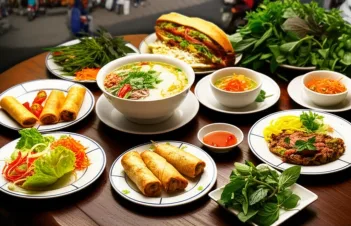
Pho, the soul of Vietnamese cuisine, takes center stage in Hanoi. This chapter explores the nuances of this iconic noodle soup, highlighting the Hanoi style. While variations like Pho Bo (beef) and Pho Ga (chicken) exist, Hanoi’s Pho possesses a distinct character. The preparation is a meticulous process, starting with simmering the broth for hours, often using bones and aromatic spices to achieve a rich and clear flavor. The rice noodles, herbs, and carefully selected meats are then added.
Enjoying Pho in Hanoi is an art. A squeeze of lime adds a citrusy zest, while a dash of chili provides a spicy kick. Other condiments, like fish sauce or vinegar, can be added to customize the taste. Many famous Pho establishments in Hanoi boast unique recipes passed down through generations, each contributing to the city’s vibrant culinary tapestry. Some establishments even serve Pho Chong, a dry version without broth, showcasing the versatility of Pho noodles.
Pho The Soul of Vietnamese Cuisine
Pho, the soul of Vietnamese cuisine, is an experience, especially in Hanoi. Pho Bo (beef) and Pho Ga (chicken) are the most popular types, each boasting unique regional twists. The Hanoi style is particularly celebrated for its clear, flavorful broth, a result of simmering beef or chicken bones for hours with aromatic spices like star anise, cinnamon, and cloves.
The preparation is an art: rice noodles are carefully arranged in a bowl, topped with thinly sliced meat, and garnished with fresh herbs such as cilantro and green onions. The piping hot broth is then poured over, cooking the meat to perfection.
To truly savor Pho, add a squeeze of lime, a dash of chili sauce, or a spoonful of fish sauce to enhance the flavors.
- Pho Thin
- Pho Bat Dan
are famous establishments in Hanoi, each guarding its unique recipe, passed down through generations.
Banh Mi A Fusion of Flavors
Following the satisfying warmth of Pho, Hanoi’s culinary landscape continues to unfold with the iconic Banh Mi, a testament to the city’s unique blend of cultures. This isn’t just a sandwich; it’s a fusion of French and Vietnamese culinary traditions, a delightful representation of Hanoi’s history on a baguette.
The essential components of a Banh Mi begin with a crispy, airy baguette, a legacy of French colonialism. This is then layered with a smear of rich pate, often homemade, followed by an assortment of Vietnamese cold cuts, offering a savory and slightly tangy counterpoint. Pickled vegetables, such as carrots and daikon radish, provide a refreshing crunch and acidity, while fresh cilantro adds a vibrant herbal note. Finally, a touch of chili brings a welcome kick.
Variations abound, from the classic Banh Mi Thit, filled with grilled pork, to Banh Mi Cha, featuring Vietnamese sausage. Each stall offers its own unique take, with secret sauces and family recipes passed down through generations. To experience the true essence of Banh Mi, seek out the small, unassuming stalls where the bread is freshly baked and the ingredients are prepared with care. The combination of textures and flavors is what makes this sandwich so special.
Bun Cha Hanoi’s Grilled Pork Delight
Following the delightful exploration of Banh Mi, Hanoi’s culinary journey continues with Bun Cha, a dish deeply rooted in the city’s gastronomic identity. Unlike the globally recognized Pho, Bun Cha offers a more localized, yet equally captivating, experience. This Hanoian specialty features succulent grilled pork patties and vermicelli noodles served with a nuanced dipping sauce.
The preparation of the pork is an art in itself. Small patties and slices of marinated pork belly are meticulously grilled over charcoal, imparting a smoky char and rendering the fat for a melt-in-your-mouth texture. The accompanying dipping sauce, a crucial element, achieves a harmonious balance of sweet, sour, and savory notes, typically crafted from fish sauce, vinegar, sugar, lime juice, and garlic.
To savor Bun Cha, diners immerse the vermicelli noodles, grilled pork, fresh herbs (such as cilantro, basil, and mint), and pickled vegetables (often papaya and carrots) into the dipping sauce. The interplay of textures and flavors creates a symphony on the palate. For an authentic experience, consider visiting Bun Cha Huong Lien (Obama Bun Cha), made famous by President Obama and Anthony Bourdain. This dish exemplifies Hanoi’s street food culture, offering a taste of the city’s soul.
Cha Ca La Vong An Iconic Fish Dish
Following the delightful experience of savoring Bun Cha, our culinary journey through Hanoi continues with another iconic dish: Cha Ca La Vong. This isn’t just a meal; it’s an interactive dining experience steeped in history.
Cha Ca La Vong features chunks of tender white fish, typically hemibagrus, marinated in turmeric, galangal, and other fragrant spices. The magic happens right at your table, where a small portable stove heats a pan filled with oil. The fish is then pan-fried with generous amounts of fresh dill and spring onions, creating a symphony of aromas that fill the air.
The dish is served with a bed of vermicelli noodles, roasted peanuts, and a pungent shrimp paste called “mam tom”. The combination of the crispy, turmeric-infused fish, the fresh herbs, the nutty peanuts, and the umami-rich shrimp paste is an explosion of flavors and textures.
The dish’s namesake, Cha Ca La Vong restaurant, is a Hanoi institution, solidifying its place as a must-try delicacy for anyone visiting the city. It offers a unique culinary adventure, setting the stage perfectly for the sweet endings that await us in the next chapter.
Sweet Endings Hanoi’s Dessert Scene
Sweet Endings Hanoi’s Dessert Scene
After savoring savory delights like Cha Ca La Vong, it’s time to explore Hanoi’s sweet side. The city offers a tempting array of desserts, from the ubiquitous Che to the uniquely Hanoian Egg Coffee.
Che, a sweet dessert soup, comes in countless variations. Common ingredients include beans (mung, black-eyed), tapioca pearls, and glutinous rice, all swimming in a sweet broth, often coconut milk. Textures range from smooth and creamy to delightfully chewy. Popular types include Che Chuoi (banana sweet soup) and Che Ba Mau (three-color dessert), a layered treat with beans, jelly, and coconut cream.
No culinary journey through Hanoi is complete without trying Egg Coffee (Cà Phê Trứng). This specialty features a thick, frothy topping made from egg yolks, sugar, and condensed milk, whipped into an airy cloud and carefully poured over strong Vietnamese coffee. The result is a rich, custard-like drink that’s both sweet and caffeinated. For the best experience, visit Giang Cafe or Dinh Cafe, institutions renowned for their Egg Coffee. These sweet treats offer a perfect counterpoint to the savory flavors of Hanoi’s street food scene, preparing your palate for the adventures ahead.
Navigating Hanoi’s Street Food Scene Tips and Tricks
Navigating Hanoi’s Street Food Scene: Tips and Tricks
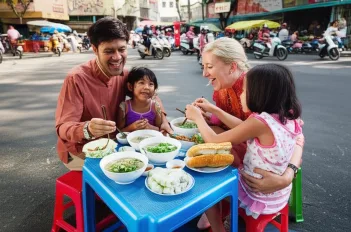
Now that you’ve savored the sweet side of Hanoi, it’s time to dive into the practicalities of exploring its vibrant street food scene. Finding the best vendors often involves observing where locals flock – a bustling stall is usually a good sign. Don’t be afraid to venture down smaller alleys; some of the most authentic flavors are hidden away.
When ordering, pointing and using basic Vietnamese phrases like “cho tôi một” (give me one) can be helpful. Be prepared to pay in cash, and smaller denominations are always appreciated. Regarding food safety, look for stalls with clean surfaces and freshly cooked food. Trust your instincts; if a place doesn’t feel right, move on.
Respect local customs by waiting to be seated and avoiding loud or boisterous behavior. For a deeper dive, consider joining a guided food tour. A local guide can offer insights into the dishes and culture, ensuring a safe and enriching experience. Alternatively, cooking classes provide hands-on experience, allowing you to recreate your favorite Hanoi flavors at home.
Final thoughts
From savory pho to crispy banh mi, Hanoi’s street food is a symphony of flavors waiting to be discovered. This culinary journey not only satisfies your taste buds but also immerses you in the vibrant culture of Vietnam. So, pack your appetite and get ready to explore the delicious streets of Hanoi!