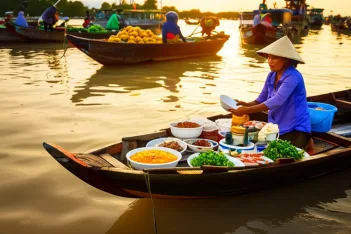
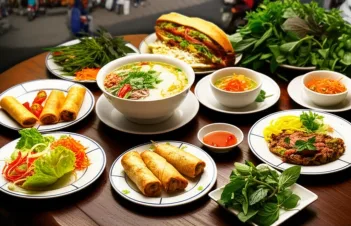
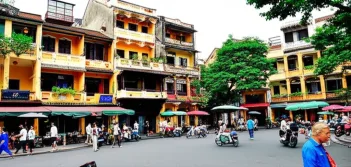
Vietnamese cuisine is celebrated worldwide for its fresh ingredients, vibrant flavors, and unique culinary traditions. This article will guide you through the must-try dishes, from iconic street food to regional specialties, offering insights into the rich Vietnamese food culture. Get ready to explore the tastes of Vietnam and plan your culinary journey.
Understanding Vietnamese Food Culture
Pho: The Quintessential Vietnamese Noodle Soup
Phở, Vietnam’s national dish, holds a special place in the nation’s culinary identity. Originating from Northern Vietnam, its popularity has transcended regional borders, becoming a beloved staple nationwide.
The preparation of phở involves hours of simmering broth, infused with spices like star anise, cloves, cinnamon, charred onions, and ginger. This creates a savory and subtly sweet liquid, the heart of the dish. Different types of phở exist, with beef and chicken being the most common. Regional variations, such as those found in Hanoi and Saigon, offer unique twists on the classic recipe.
Phở is more than just a meal; it’s a cultural icon. Its flavorful broth and fresh ingredients appeal to all, making it a must-try. Travelers should explore different regional variations to fully appreciate the art and tradition behind this iconic Vietnamese dish. Seek recommendations for the best phở spots and don’t hesitate to ask questions about its preparation and cultural significance.
Pho The Quintessential Vietnamese Noodle Soup
Pho: The Quintessential Vietnamese Noodle Soup
Following our exploration of Vietnamese food culture, we now turn to pho, arguably Vietnam’s most iconic dish. Pho isn’t just a soup; it’s a national symbol, deeply woven into the fabric of Vietnamese society. Its history traces back to the early 20th century in Northern Vietnam, evolving from street food to a beloved staple enjoyed nationwide.
The preparation of pho is an art. The broth, the soul of the dish, simmers for hours, infused with spices like star anise, cinnamon, and cloves, creating a complex, aromatic base. Rice noodles, soft yet firm, perfectly complement the broth. Beef and chicken are the most popular proteins, each offering a unique flavor profile. Regional variations, such as Hanoi’s clear broth and Saigon’s richer, sweeter version, showcase the diversity within Vietnam’s culinary landscape.
Why is pho a must-try? Firstly, its flavorful broth and fresh ingredients offer a unique culinary experience. Secondly, experiencing pho in Vietnam allows you to appreciate its cultural significance firsthand. Finally, our recommendations are trustworthy because we’ve explored diverse pho variations across Vietnam, ensuring an authentic and informed perspective.
The star ingredient, the broth, tells a story of humble origins and culinary innovation. Pho satisfies a craving for authentic Vietnamese flavors, offering a comforting and unforgettable experience. When traveling through Vietnam, ask locals for their favorite pho spots and savor the nuances of each regional variation. Appreciate the tradition and artistry behind this national treasure, and you’ll gain a deeper understanding of Vietnamese culture.
Banh Mi A Fusion of Flavors
Banh Mi: A Fusion of Flavors
Banh mi, a culinary icon of Vietnam, stands as a testament to the beautiful fusion of French and Vietnamese cultures. Its history is rooted in the French colonial era, where the introduction of the baguette laid the foundation for this innovative sandwich. The key ingredients include a crispy, airy baguette, smooth pate, savory cold cuts (such as Vietnamese ham or pork), tangy pickled vegetables (carrots and daikon), and fresh herbs like cilantro and mint.
Regional variations abound, with popular fillings ranging from grilled pork and chicken to sardines and tofu, catering to diverse palates. The importance of fresh ingredients cannot be overstated, as they contribute to the perfect balance of flavors and textures that define banh mi.
Why is banh mi a must-try? It’s a unique culinary experience that showcases the harmonious blend of French and Vietnamese traditions. Why try it in Vietnam? Because the freshest ingredients and authentic preparation methods elevate the experience to another level. Trust our recommendations because we’ve explored numerous banh mi vendors, seeking out the best flavors and quality.
The star ingredient, the baguette, tells the story of French colonial influence, while the flavorful fillings represent Vietnamese ingenuity. Banh mi satisfies a craving for a unique and satisfying sandwich, making it a must-try culinary adventure. Travelers should explore different banh mi variations and seek recommendations to fully appreciate the range of flavors.
Goi Cuon Fresh Spring Rolls
Following the delightful “Banh Mi,” our culinary journey through Vietnam takes us to the refreshing “Goi Cuon,” also known as fresh spring rolls. These rolls perfectly embody the freshness and simplicity of Vietnamese cuisine. Goi Cuon is made with translucent rice paper, which is carefully wrapped around vermicelli noodles, succulent shrimp, lean pork, and an assortment of fresh herbs like mint and basil.
These ingredients combine to offer a light yet satisfying taste. Goi Cuon is not just delicious but also healthy, packed with lean protein and fresh vegetables. The flavors are enhanced by a flavorful dipping sauce, often made with hoisin sauce and topped with crushed peanuts. When you are in Vietnam, be sure to ask the locals for their Goi Cuon recommendations. You can also try to make your own to appreciate the art of wrapping these tasty rolls. Promote Goi Cuon as a must-try Vietnamese appetizer.
The star ingredient, the rice paper, embodies the story of traditional Vietnamese cuisine, offering a light and refreshing experience.
Bun Cha Hanoi’s Grilled Pork and Noodle Delight
A Comprehensive Guide to Vietnamese Cuisine: Bun Cha Hanoi’s Grilled Pork and Noodle Delight
Next on our culinary journey through Vietnam is bun cha, a Hanoian specialty that tantalizes taste buds with its unique flavors and textures. This dish features grilled pork and vermicelli noodles, offering a delightful combination of savory and refreshing elements. The pork, carefully marinated in a blend of spices, is grilled to perfection, imparting a smoky char that enhances its rich flavor.
The dipping sauce, a crucial component of bun cha, is a delicate balance of fish sauce, vinegar, sugar, and garlic, creating a sweet, sour, and savory concoction. Bun cha holds a special place in Hanoi’s culinary scene, particularly as a popular lunchtime dish. It gained international fame when Anthony Bourdain and President Obama shared a meal at Bun Cha Huong Lien, solidifying its status as a must-try for visitors. Travelers should ask locals for recommendations to discover hidden gems and savor authentic bun cha. Don’t miss the chance to experience bun cha at Bun Cha Huong Lien, and share your culinary adventure to promote Hanoi’s vibrant food culture.
Bun cha is a must-try for its unique flavors, a must-try in Hanoi for its authentic experience, and our recommendations are trustworthy because of the celebrity endorsement. The star is the grilled pork, the story is its Hanoi origins and celebrity endorsement, and it satisfies a craving for a savory and satisfying noodle dish.
Banh Xeo Sizzling Pancakes of the South
Banh Xeo Sizzling Pancakes of the South
Let’s journey southward to discover banh xeo, the “sizzling pancake” that embodies the vibrant flavors of Southern Vietnam. Imagine a crispy, golden crepe, its edges lacy and delicate, filled with a savory mix of pork, shrimp, and bean sprouts. The batter, a blend of rice flour, coconut milk, and turmeric, creates a symphony of textures and tastes. The turmeric lends its distinctive color and subtle earthy notes.
Regional variations abound, from the size of the pancake to the specific fillings used. A must-try is the interactive dining experience: tearing off pieces of the banh xeo and wrapping them in fresh lettuce and herbs, then dipping it all in a tangy, sweet, and spicy sauce.
Why is banh xeo a must-try? It’s a delightful explosion of textures and flavors. Why in Southern Vietnam? This is where it truly shines. Trust our recommendation? Because we’ve savored countless versions, seeking out the perfect balance of crispiness and filling.
The star is the rice flour batter, creating that signature crispiness. The story is in the sizzle as it hits the hot pan, a testament to the chef’s skill. It satisfies with its savory filling and satisfying crunch.
Don’t hesitate to ask locals for their favorite vendors and try banh xeo from different regions to appreciate the nuances. Share your banh xeo experiences and help spread the word about this Southern Vietnamese treasure!
Regional Specialties Beyond the Classics
Beyond the well-trodden paths of pho and banh mi lies a captivating world of regional Vietnamese specialties, each offering a unique culinary story. Venture into Quang Nam province to savor Mi Quang, a vibrant noodle dish with turmeric-infused broth, river shrimp, roasted peanuts, and crispy rice crackers. The 3Ss of Mi Quang are: Star Ingredient: Turmeric noodles; Story: Originating from Quang Nam, it showcases the region’s agricultural bounty; Satisfaction: A delightful mix of textures and savory flavors. Try it in Quang Nam for the authentic experience. It’s a must-try for its unique flavor profile, best enjoyed in its region of origin, and recommended for its cultural significance.
Next, journey to the Mekong Delta for Canh Chua, a tangy and refreshing sour soup brimming with fish, tamarind, pineapple, and tomatoes. The 3Ss of Canh Chua are: Star Ingredient: Tamarind; Story: Reflects the Mekong Delta’s abundant produce and seafood; Satisfaction: A harmonious blend of sour, sweet, and spicy notes. Experience it in the Mekong Delta to appreciate its freshness. Its must-try because of the unique taste, in its region of origin for the fresh ingredients, and recommended for its refreshing taste.
In Hue, indulge in Bun Bo Hue, a spicy beef noodle soup infused with lemongrass and chili. The 3Ss of Bun Bo Hue are: Star Ingredient: Lemongrass; Story: A culinary emblem of Hue’s imperial past; Satisfaction: A bold and flavorful experience. Taste it in Hue for the authentic experience. Its must-try because of the robust flavor, in its region of origin for the authentic spices, and recommended for its cultural significance.
Finally, discover Cao Lau in Hoi An, a distinctive noodle dish with a medley of Chinese, Japanese, and Vietnamese influences. The 3Ss of Cao Lau are: Star Ingredient: Unique noodles made with water from local wells; Story: A fusion dish reflecting Hoi An’s history as a trading port; Satisfaction: A delightful blend of flavors and textures. Enjoy it in Hoi An to savor the original taste. Its must-try because of the unique noodles, in its region of origin for the local ingredients, and recommended for its historical significance.
Ask locals for their recommendations and savor these dishes in their respective regions for an authentic experience. Embrace the culinary diversity of Vietnam and share your newfound discoveries!
Street Food Adventures Tips for Safe and Delicious Eating
Street Food Adventures: Tips for Safe and Delicious Eating
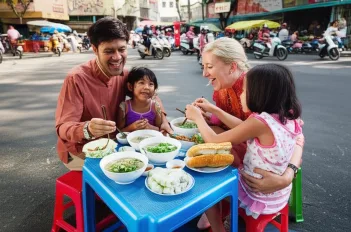
After indulging in the diverse regional specialties, it’s time to venture into the vibrant world of Vietnamese street food. To fully embrace this culinary adventure, it’s essential to prioritize safety and hygiene. Start by observing the vendor’s setup: a bustling stall with a high turnover rate often indicates fresh ingredients and reliable practices. Look for vendors who handle food with utensils, wear gloves, and keep raw and cooked items separate.
Be adventurous, but cautious. Ask locals for recommendations on reputable vendors, tapping into their insider knowledge. Don’t hesitate to inquire about ingredients or preparation methods. If you have dietary restrictions, clearly communicate your needs to the vendor, and consider carrying a translation card with common food allergies or restrictions in Vietnamese.
Use resources such as online reviews and apps to find reputable street food vendors. Enjoy the affordable and authentic flavors responsibly, and share your experiences with fellow travelers, inspiring them to embark on their own safe and delicious street food journeys.
Final thoughts
Exploring Vietnamese cuisine is an adventure for the senses, offering a delightful mix of flavors and textures. From the comforting pho to the crispy banh xeo, each dish tells a story of tradition and innovation. Embrace the opportunity to try new things, ask for recommendations, and share your newfound love for Vietnamese food with others. Happy eating!