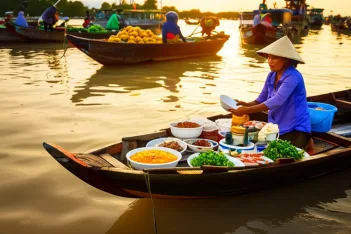
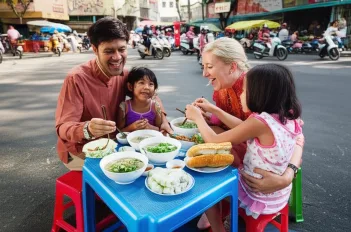
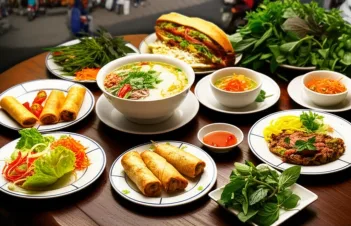
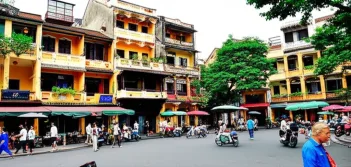
Vietnamese cuisine is celebrated worldwide for its fresh ingredients and unique flavors. This article explores the vibrant culinary landscape of Vietnam, focusing on its appeal to both locals and vegetarians. We will delve into traditional dishes, vegetarian adaptations, and the cultural significance of food in Vietnam.
5 Hindrances to Fully Experiencing Vietnamese Cuisine
Exploring Vietnamese Cuisine: A Guide for Locals and Vegetarians
5 Hindrances to Fully Experiencing Vietnamese Cuisine
Many are hesitant to fully embrace Vietnamese cuisine, and here are five common reasons:
- Misconceptions about ingredients: Some believe Vietnamese food relies on unusual or intimidating items. However, many dishes use familiar vegetables, rice, and noodles.
- Fear of street food hygiene: Concerns about cleanliness are valid, but choosing busy stalls with high turnover minimizes risks.
- Difficulty navigating menus: Menus can be overwhelming. Start with well-known dishes like pho or banh mi and ask for recommendations.
- Lack of knowledge about regional variations: Vietnamese cuisine varies greatly by region. Researching specialties from different areas enhances the experience.
- The prevalence of fish sauce: While fish sauce is common, many vegetarian options are available, or fish sauce can be omitted.
With a bit of knowledge and an open mind, these hindrances can be easily overcome. Don’t let them stop you from discovering the delights of Vietnamese food!
3 Reasons Why Vietnamese Cuisine is a Must-Try
## 3 Reasons Why Vietnamese Cuisine is a Must-Try
Vietnamese cuisine offers a symphony of flavors and experiences, making it a must-try for locals and vegetarians alike. Firstly, the cuisine emphasizes fresh, healthy ingredients. Vietnamese dishes utilize an abundance of locally sourced vegetables, herbs, and lean proteins. This commitment to freshness not only enhances the taste but also contributes to a light and nutritious meal. For example, the use of fresh herbs like cilantro, mint, and basil elevates simple dishes like Pho and fresh spring rolls.
Secondly, Vietnamese cuisine is renowned for its balance of flavors. The interplay of sweet, sour, salty, spicy, and umami creates a harmonious and complex taste profile. This balance is evident in dishes like Banh Mi, where the savory pate and meats are complemented by the tangy pickled vegetables and spicy chili.
Finally, Vietnamese cuisine is deeply rooted in a rich cultural history. Each dish tells a story of tradition, family, and regional influences. Exploring Vietnamese food is not just about eating; it’s about experiencing a culture. From the royal cuisine of Hue to the street food of Hanoi, every dish offers a glimpse into Vietnam’s past and present.
Navigating Vietnamese Food Culture A Guide for Foreigners
Exploring Vietnamese cuisine offers a delightful journey for both locals and vegetarians. The emphasis on fresh herbs, vegetables, and rice creates naturally vegetarian-friendly dishes. Tofu, a staple in Vietnamese cuisine, serves as a versatile protein source, expertly seasoned and prepared in countless ways. Many dishes can be easily adapted by omitting meat or fish sauce, a common ingredient.
For vegetarians, “ăn chay” (eat vegetarian) is a key phrase. While some dishes may contain hidden fish sauce, clearly stating “tôi ăn chay” or “không thịt” (no meat) when ordering will ensure a satisfying, meat-free meal. Embrace the opportunity to explore the diverse flavors and textures of Vietnamese vegetarian cuisine, from savory noodle soups to refreshing salads and flavorful stir-fries. Look for restaurants with “chay” in their name, often indicating vegetarian or vegan options.
Hanoi Street Food Gems Vegetarian Options
Okay, here’s the chapter you requested:
“`html
Hanoi Street Food Gems: Vegetarian Options
Hanoi’s bustling streets are a paradise for food lovers, and vegetarians don’t have to miss out on the fun. Many iconic dishes can be easily adapted to meat-free versions, offering a delicious taste of Vietnamese cuisine.
Banh Mi Chay, the vegetarian version of the classic Vietnamese sandwich, is a must-try. Look for vendors offering tofu or egg fillings instead of the usual pork. Banh Mi 25 is a great option. Be sure to specify “không thịt” (no meat).
Nom Du Du (Green Papaya Salad) is a refreshing and flavorful option. This salad combines shredded green papaya, herbs, and peanuts, offering a delightful mix of textures and tastes. Be mindful of the sauce, as it often contains fish sauce. Request a vegetarian version (“ăn chay“) with a substitute dressing, such as soy sauce or a vinegar-based dressing.
Banh Cuon (Steamed Rice Rolls) are another excellent choice. These delicate rolls are made from steamed rice flour and can be filled with mushrooms and vegetables. Top with crispy fried shallots and a side of dipping sauce. Again, confirm that the sauce is vegetarian or ask for a soy-based alternative.
- Practical Tip: Use online reviews to find reputable street food vendors with vegetarian options.
- Phrase: “Tôi ăn chay” (I am vegetarian) is essential when ordering.
“`
Beyond Pho Exploring Vegetarian Dishes in Vietnamese Cuisine
“`html
Beyond Pho: Exploring Vegetarian Dishes in Vietnamese Cuisine
While Pho and spring rolls often steal the vegetarian spotlight, Vietnamese cuisine boasts a diverse array of lesser-known, yet equally delicious, plant-based dishes. Venture beyond the familiar and discover the culinary treasures that await.
- Cao Lau Chay (Hoi An Noodles): Cao Lau, a specialty of Hoi An, features thick rice noodles, fresh greens, and crispy croutons in a flavorful broth. The vegetarian version replaces pork with tofu or mushrooms, offering a delightful textural contrast.
- Com Chay (Buddhist Vegetarian Rice): This crispy rice dish, often found in Buddhist temples, is a symphony of textures and flavors. The crunchy rice base is topped with stir-fried vegetables, mushrooms, and tofu in a savory sauce.
- Vegetable-Based Stews and Soups: Explore the world of Canh (soups) and Kho (stews), featuring seasonal vegetables simmered in aromatic broths with tofu or mock meats. These dishes showcase the freshness and simplicity of Vietnamese vegetarian cooking.
“`
Vegetarian Travel Vietnam Tips and Tricks
“`html
Vegetarian Travel Vietnam Tips and Tricks
Navigating Vietnam as a vegetarian requires some preparation, but it’s entirely manageable. Start by learning basic Vietnamese phrases like “Tôi ăn chay” (I am vegetarian) and “Không thịt” (no meat). Carry a card with these phrases written down to show vendors.
Finding vegetarian restaurants can be easy in larger cities like Hanoi and Ho Chi Minh City; search online for “quán chay” (vegetarian restaurant). In smaller towns, look for Buddhist temples, which often offer simple vegetarian meals. Be cautious of hidden ingredients like fish sauce (nước mắm); always double-check ingredients when ordering.
Consider joining a vegetarian street food tour on your first day to discover hidden gems and learn how to order safely. Pack snacks for long journeys, as vegetarian options may be limited in transit. Embrace the adventure, and don’t be afraid to try new dishes, asking questions to ensure they meet your dietary needs. With a bit of planning, you can enjoy the rich flavors of Vietnam while staying true to your vegetarian lifestyle.
“`
Creating Vietnamese Vegetarian Dishes at Home Recipes and Inspiration
Creating Vietnamese Vegetarian Dishes at Home: Recipes and Inspiration
Following your vegetarian travels in Vietnam, you might want to recreate those flavors at home. Here are some simple, authentic recipes to inspire you.
Vegetarian Pho (Pho Chay)
*Ingredients:* Rice noodles, vegetable broth, tofu, mushrooms, bean sprouts, cilantro, and spices (star anise, cinnamon).
*Instructions:*
1. Simmer spices in vegetable broth.
2. Add tofu and mushrooms.
3. Cook rice noodles separately.
4. Assemble bowls with noodles, broth, toppings.
Fresh Spring Rolls (Goi Cuon Chay)
*Ingredients:* Rice paper, vermicelli noodles, lettuce, mint, cilantro, carrots, cucumber, and peanut sauce.
*Instructions:*
1. Soak rice paper in warm water.
2. Fill with noodles and vegetables.
3. Roll tightly.
4. Serve with peanut sauce.
Variations: For advanced cooks, try making your own tofu. For beginners, pre-made tofu works great.
Sourcing authentic ingredients is key. Look for Vietnamese markets or online retailers for items like rice paper, fish sauce alternatives, and spices. Enjoy bringing a taste of Vietnam to your kitchen!
Final thoughts
From bustling street food stalls to elegant restaurants, Vietnamese cuisine offers a diverse and flavorful experience for everyone. Whether you’re a local or a vegetarian traveler, understanding the nuances of Vietnamese food culture will enrich your culinary journey. Embrace the fresh ingredients, bold flavors, and communal dining experiences that make Vietnamese cuisine so special.