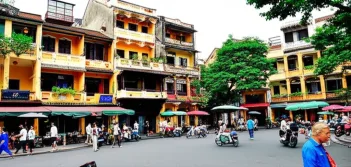
Planning a family trip to Vietnam? Get ready for an unforgettable adventure! This article answers all your questions about traveling Vietnam with kids. From navigating customs and transportation to ensuring dietary needs are met, we’ll cover everything you need for a safe, fun, and enriching family vacation in Vietnam. Let’s dive in!
Is Vietnam Safe for Family Travel
Understanding Vietnamese Customs and Etiquette for Families
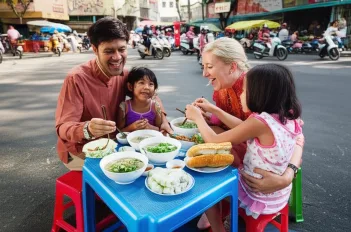
To ensure a smooth and respectful journey, understanding Vietnamese customs and etiquette is essential. Greetings are typically formal, with a slight bow and a verbal greeting like “Xin chào” (Hello). Dining etiquette involves using chopsticks correctly and waiting for the eldest to begin eating. When visiting temples, dress modestly, covering shoulders and knees, and remove your shoes before entering.
Public behavior should be respectful, avoiding loud or confrontational actions. Gift-giving customs often involve presenting gifts with both hands as a sign of respect. Politeness is highly valued, so using respectful language and gestures will be appreciated. Being mindful of these customs helps families show respect for local traditions and avoid cultural misunderstandings, enhancing their travel experience.
Understanding Vietnamese Customs and Etiquette for Families
“`html
Understanding Vietnamese Customs and Etiquette for Families is crucial for a smooth and respectful trip. When greeting someone, a slight bow is appreciated, especially to elders. While handshakes are becoming more common, avoid overly firm grips. Dining etiquette involves using chopsticks correctly and waiting for the eldest to begin eating. Avoid sticking chopsticks upright in your rice bowl, as it resembles a funeral ritual.
When visiting temples, dress modestly, covering shoulders and knees. Remove your shoes before entering and speak softly. Refrain from pointing or touching statues. In public, avoid loud or boisterous behavior. Public displays of affection are generally frowned upon.
Gift-giving is appreciated, but use both hands when giving or receiving. Avoid giving overly expensive gifts, as it may cause discomfort. Politeness is highly valued, so use respectful language and be patient in interactions. A little effort to learn basic Vietnamese phrases can go a long way in showing respect and fostering positive connections. Being mindful of these customs will enhance your family’s experience and help avoid unintentional cultural misunderstandings as you continue your journey through Vietnam.
“`
Navigating Transportation in Vietnam with Children
Navigating Transportation in Vietnam with Children
Vietnam offers diverse transportation options, each with unique considerations for families. Taxis are readily available in cities, but ensure they are metered or negotiate the fare beforehand. Ride-hailing apps like Grab provide convenience and transparent pricing, useful for avoiding scams. For longer distances, consider buses, though comfort levels can vary. Opt for reputable companies with sleeper buses for overnight journeys, but be mindful of winding roads that may cause motion sickness in children.
Trains offer a safer and more comfortable alternative, especially for overnight travel. Booking a private compartment ensures privacy and space for the family. Domestic flights are efficient for covering vast distances, saving time and energy, but book in advance for better deals. Prioritize safety by using car seats when possible and remaining vigilant about traffic conditions.
Addressing Dietary Needs and Preferences
Addressing Dietary Needs and Preferences:
Traveling with kids who have specific dietary needs requires careful planning. Allergies are a major concern, so research common allergens in Vietnamese cuisine, such as peanuts, shellfish, and soy sauce. Carry allergy cards translated into Vietnamese to communicate restrictions to restaurant staff. Vegetarian options are generally available, especially in Buddhist areas, but be aware of hidden ingredients like fish sauce.
Finding familiar foods can ease picky eaters. Major cities offer international cuisine, including pizza, pasta, and burgers. Pack snacks from home to supplement meals and ensure your children always have something safe to eat. When in doubt, stick to simple dishes like plain rice, noodles, or grilled meats. Communicating clearly and being prepared will help ensure a stress-free culinary experience for your family.
Next, we’ll explore how to stay connected in Vietnam, ensuring you can easily access translation apps and communicate with locals.
Staying Connected Internet and Communication Tips
Staying connected in Vietnam is generally easy, but it’s good to be prepared. Purchasing a local SIM card is a convenient option. You can find them at airports, convenience stores, and mobile carrier shops. Viettel, Vinaphone, and Mobifone are popular providers offering affordable data packages. Ensure your phone is unlocked before you arrive.
Wi-Fi is widely available in hotels, cafes, and restaurants, especially in tourist areas. However, the reliability can vary, with larger cities generally offering more stable connections than rural areas. It’s always wise to have a backup plan, like a SIM card with a data plan.
While English is spoken in tourist hubs, it’s less common in smaller towns. Downloading a translation app like Google Translate or iTranslate can be incredibly helpful for communicating with locals. Consider learning a few basic Vietnamese phrases as well; locals appreciate the effort.
Adjusting to the Vietnam Time Zone and Minimizing Jet Lag
Adjusting to the Vietnam Time Zone and Minimizing Jet Lag
Navigating the time difference when traveling to Vietnam with kids requires a proactive approach. Vietnam operates on Indochina Time (ICT), which is GMT+7. This can mean a significant adjustment, especially for families traveling from North America or Europe.
Prior to departure, gradually adjust your children’s sleep schedules by shifting bedtime and wake-up times earlier by an hour or two in the days leading up to your flight.
During the flight, encourage activity and avoid long naps that align with your home time zone. Once you arrive, expose your family to natural sunlight as much as possible. Sunlight helps regulate the body’s natural sleep-wake cycle. Establish a consistent sleep schedule as quickly as possible, aligning with local times for meals and activities. It’s ok to let them nap, but try to keep it short.
Final thoughts
Vietnam offers a rich tapestry of experiences for families. By addressing key concerns about safety, customs, and logistics, this guide ensures a smoother, more enjoyable trip. Remember to embrace the local culture, plan for dietary needs, and stay connected. With these tips, your family adventure in Vietnam will be nothing short of extraordinary, creating lasting memories for years to come.