Embark on an unforgettable journey to Ba Be Lake, nestled in the heart of Northern Vietnam. This natural wonder, surrounded by lush landscapes and towering karst formations, offers a unique blend of adventure and tranquility. Discover the secrets of this hidden gem as we delve into its captivating beauty and cultural richness, inviting you to experience the unspoiled allure of Ba Be.
Discovering Ba Be Lake A Natural Wonder
Discovering Ba Be Lake: A Natural Wonder
Ba Be Lake stands as a premier destination within Ba Be National Park, a treasure trove of natural beauty in Bac Kan province, approximately 240 km from Hanoi. This remarkable lake was formed over millions of years by tectonic activity, carving out a unique landscape of limestone karsts and lush evergreen forests. Ba Be Lake is not only Vietnam’s largest natural freshwater lake but also a vital ecological zone.
The lake’s biodiversity is exceptional, hosting a wide array of flora and fauna within the surrounding national park. Here, you can find rare orchids, ancient trees, and a diverse range of wildlife, including monkeys, birds, and reptiles. The waters teem with various fish species, some of which are listed in Vietnam’s Red Book of endangered species.
Adding to its allure, Ba Be Lake is steeped in local legends and folklore. Tales of mythical creatures and ancient spirits intertwine with the lake’s serene beauty, creating a mystical atmosphere that captivates all who visit.
Planning Your Trip to Ba Be Lake Essential Travel Tips
Planning Your Trip to Ba Be Lake Essential Travel Tips:
Planning your adventure to Ba Be Lake requires careful consideration of timing and logistics. The best time to visit is during the dry season, from October to April, offering pleasant temperatures ideal for trekking and outdoor activities. For lush rice fields, plan your trip around April-May or September-October.
Getting to Ba Be Lake from Hanoi involves several options:
- Private Transfer: The most convenient but also the most expensive, costing around $200 USD and taking approximately 5 hours.
- Shuttle Bus: A direct and affordable option, with tickets around $15 USD and a travel time of about 5 hours.
- Minivan: Offers a balance of comfort and cost, priced at about $20 USD for a 5-hour journey.
- Motorbike: An adventurous choice, allowing scenic views but requiring a valid license and travel insurance.
Guided tours provide invaluable insights into the local culture and history, enhancing your overall experience. Remember to check for updated transportation schedules and pricing before your trip.
Accommodation Options Immersing in Local Culture
Accommodation Options: Immersing in Local Culture
Explore the diverse accommodation options around Ba Be Lake, with a special focus on the unique experience of staying in local homestays within Pac Ngoi village. These homestays offer an unparalleled opportunity to immerse yourself in the culture of the Tay ethnic minority.
Pac Ngoi village is known for its traditional stilt houses, elevated wooden structures that reflect the Tay’s architectural heritage. Staying in one of these homes provides a direct connection to the local way of life. You’ll share meals with the family, learn about their customs, and perhaps even participate in daily activities like farming or fishing.
While amenities may be basic, the homestays typically offer comfortable sleeping arrangements, mosquito nets, and shared bathroom facilities. The cultural exchange is the real luxury here.
For travelers seeking more conventional lodging, there are also a few hotels and guesthouses available near Ba Be Lake, offering standard amenities and services. Remember to interact responsibly and respectfully with the local community, showing appreciation for their culture and traditions.
Top Activities Exploring the Wonders of Ba Be Lake
Top Activities Exploring the Wonders of Ba Be Lake:
Ba Be Lake offers a diverse range of activities for every adventurer. Explore the lake’s mystical beauty through various engaging experiences.
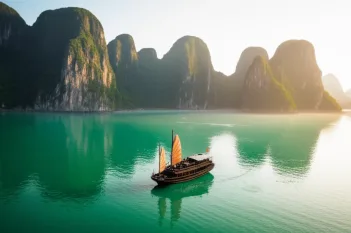
- Boat Tours: Embark on a scenic boat tour to discover the hidden gems of Ba Be Lake. Popular stops include the enchanting Fairy Pond, a serene natural pool surrounded by lush greenery, and An Ma Temple, a small temple located on an island in the middle of the lake.
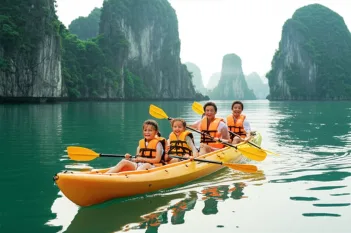
- Kayaking: Rent a kayak and explore the tranquil waters at your own pace. Paddle through the stunning landscapes, discover hidden coves, and immerse yourself in the serenity of the lake.
- Cave Exploration: Discover the unique caves surrounding Ba Be Lake. Join a guided tour to explore Puong Cave, known for its impressive stalactites and stalagmites, and Hua Ma Cave, a large cave with stunning rock formations.
- Trekking: Embark on a trekking adventure through Ba Be National Park. Discover the diverse flora and fauna as you hike through the lush landscapes and enjoy breathtaking views of the lake and surrounding mountains.
Delving into Ba Be National Park Beyond the Lake
Delving into Ba Be National Park Beyond the Lake:
While the lake itself is a major draw, Ba Be National Park offers so much more. Venture beyond the water to discover the stunning Dau Dang Waterfalls. The trek to reach them is a rewarding experience, passing through lush landscapes and offering glimpses of local life.
The park is a haven for biodiversity, boasting a diverse range of flora and fauna. Opportunities for wildlife spotting and bird watching abound, so keep your eyes peeled for unique species.
Don’t miss the chance to visit local villages and interact with the Tay, Nung, and Dao ethnic communities. Remember to approach these interactions with cultural sensitivity and respect, learning about their traditions and way of life. The Pia Booc Mountain ranges provide a stunning backdrop to the picturesque rice fields, offering breathtaking views and photo opportunities. Exploring the park offers a deeper connection to the natural and cultural heart of Vietnam.
Savoring Ba Be Cuisine A Culinary Adventure
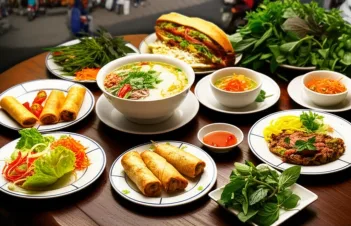
Savoring Ba Be Cuisine A Culinary Adventure: Ba Be Lake offers a unique culinary adventure, deeply rooted in the traditions of the local Tay, Nung, and Dao ethnic communities. One must-try dish is smoked pork, prepared by marinating fresh pork with local spices and smoking it over a wood-burning stove, resulting in a rich, smoky flavor. Another delicacy is five-colored sticky rice, a visually stunning and flavorful dish symbolizing good luck and prosperity, colored naturally with ingredients like turmeric and magenta plant. Bamboo-tube rice is another traditional staple, where rice is cooked inside bamboo tubes, imparting a unique aroma and taste.
These dishes can be found in local villages like Pac Ngoi, where homestays offer authentic culinary experiences. Local restaurants also serve these traditional foods, often prepared with locally sourced ingredients. These foods play a significant role in local celebrations and traditions, representing the cultural identity and heritage of the communities around Ba Be Lake. Experiencing these culinary delights is an integral part of understanding and appreciating the local culture, complementing the natural beauty explored in the national park.
Responsible Travel and Eco-Tourism Preserving Ba Be’s Beauty
Responsible Travel and Eco-Tourism Preserving Ba Be’s Beauty:
As we transition from the delightful flavors of Ba Be to the broader impact of our visit, it’s crucial to consider responsible travel and eco-tourism. These practices are vital for preserving the natural beauty and cultural heritage of Ba Be Lake, ensuring that future generations can also experience its wonders.
To minimize your environmental impact, focus on reducing waste by bringing reusable water bottles and containers, and properly disposing of any trash. Conserving water is also essential, so be mindful of your usage. Respecting wildlife means observing animals from a distance and not interfering with their natural habitats.
Supporting local businesses is another key aspect of responsible tourism. By purchasing goods and services from local communities, you contribute directly to their economic well-being. Seek out eco-tourism initiatives and sustainable accommodations that prioritize environmental protection and community involvement. These accommodations often implement practices such as using renewable energy, conserving water, and supporting local farmers. By making conscious choices, you can help preserve Ba Be’s beauty and support the local communities that call it home.
Final thoughts
Ba Be Lake is more than just a destination; it’s an immersive experience that captivates the soul. From kayaking through serene waters to trekking through vibrant ethnic villages, every moment is filled with wonder. As you plan your next adventure, consider the unparalleled beauty and cultural richness of Ba Be Lake, where unforgettable memories await amidst the breathtaking landscapes of Northern Vietnam. It is a must-visit for nature lovers and adventure seekers.