The Mekong Delta, Vietnam’s ‘rice bowl,’ boasts a vibrant culinary scene shaped by its fertile lands and intricate waterways. This article explores the Delta’s unique flavors, from savory noodle soups to exotic fruits, offering a taste of authentic Vietnamese cuisine. Get ready to discover the must-try dishes that make the Mekong Delta a food lover’s paradise.
Unveiling the Mekong Delta’s Culinary Identity
Unveiling the Mekong Delta’s Culinary Identity:
Mekong Delta cuisine is a vibrant tapestry woven from the region’s unique geography, abundant resources, and diverse cultural influences. The cuisine is characterized by the freshness of its ingredients, sourced daily from the fertile lands and waterways. The mighty Mekong River plays a pivotal role, providing an abundance of fish, shrimp, and other aquatic delicacies that form the foundation of many dishes.
The Delta’s culinary identity is also shaped by a blend of cultures, including Khmer, Chinese, and Vietnamese. This cultural fusion is evident in the diverse flavors and cooking techniques found throughout the region. Coconut milk is a staple, adding richness and sweetness to curries and desserts. Tropical fruits like mangoes, pineapples, and durian contribute to the cuisine’s vibrant and exotic character.
Rice and noodles are indispensable components of the Delta diet, serving as the base for countless dishes.
Must-Try Dishes A Culinary Exploration
Must-Try Dishes: A Culinary Exploration
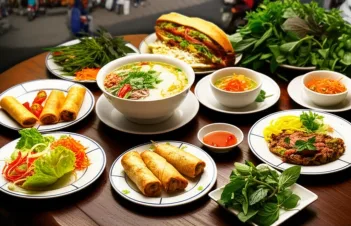
The Mekong Delta offers a unique culinary experience, distinct from other regions of Vietnam. Among the must-try dishes is Bún cá, a flavorful fish noodle soup. Its broth, rich with fermented fish, perfectly complements the fresh herbs and snakehead fish. Regional variations exist, with Long Xuyen offering a particularly renowned version.
Next is Hủ tiếu Mỹ Tho, a noodle soup characterized by its chewy rice noodles, pork broth, and toppings like shrimp and pork. My Tho is the best place to savor this dish.
Bánh xèo, a crispy pancake, is another Delta staple. Filled with shrimp, pork, and bean sprouts, it’s best enjoyed dipped in fish sauce. For a unique experience, try the versions sold in Can Tho.
Cá kho tộ, caramelized fish in a clay pot, showcases the Delta’s love for sweet and savory flavors. Catfish is often used, simmered in a rich caramel sauce.
Lẩu mắm, a fermented fish hotpot, is an adventurous culinary experience. Its pungent broth is filled with various meats and vegetables. Can Tho is known for its excellent versions.
Finally, Bánh cống, fried shrimp cake, offers a delightful crunch. Mung beans, shrimp, and rice flour are deep-fried to create this popular snack, particularly enjoyed in Soc Trang.
Exploring the Floating Markets A Feast for the Senses
Exploring the Floating Markets: A Feast for the Senses
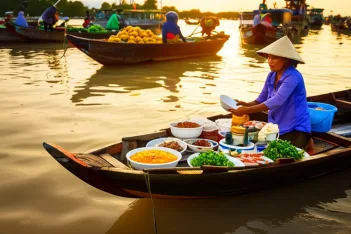
Imagine gliding along the waterways of the Mekong Delta, the sun rising over a bustling scene of boats laden with colorful produce. This is the reality of visiting a floating market like Cai Rang or Phong Dien. These markets are not just places to buy and sell goods; they are vibrant hubs of culture and commerce.
Here, you can sample a variety of foods and drinks, from steaming bowls of *hủ tiếu* (noodle soup) prepared on floating kitchens to fresh tropical fruits like mangoes and dragon fruit. Unique dishes and ingredients, such as *bún cá* prepared with river fish freshly caught, can only be found in these markets.
The atmosphere is electric, with vendors shouting prices and boats jostling for space. These markets hold significant cultural importance, reflecting the Mekong Delta’s river-based way of life.
For a memorable visit, arrive early (around sunrise) to witness the market at its peak. Hire a local boat to navigate the waterways and immerse yourself in this unique cultural experience. Remember to bring small bills for easy transactions and be prepared to bargain respectfully. Visiting a floating market is a sensory feast, offering a glimpse into the heart and soul of the Mekong Delta.
Seasonal Specialties Savoring the Delta’s Bounty
Seasonal Specialties Savoring the Delta’s Bounty:
The Mekong Delta’s culinary landscape is deeply intertwined with the seasons. Many dishes are available only at specific times of the year, showcasing the region’s natural bounty. One such delicacy is the sesbania flower, also known as bông điên điển, which blooms during the flood season. These delicate yellow flowers are a key ingredient in dishes like lady carp hotpot, offering a slightly sweet and nutty flavor.
Field crabs are another seasonal highlight. As the waters rise, these crustaceans become abundant, finding their way into flavorful dishes like field crab porridge. The Mekong Delta’s climate and geography play a crucial role in the availability of these ingredients. The annual floods, driven by the monsoon season, inundate the fields, creating ideal conditions for both sesbania flowers and field crabs to thrive.
Specific fruits also follow the rhythm of the seasons. Mangoes, rambutans, and durians each have their peak harvest times, influencing the desserts and beverages available. This seasonal eating adds another layer of richness to the Mekong Delta’s culinary traditions, offering a constantly evolving menu of flavors throughout the year. The following chapter will talk about culinary tours and cooking classes.
Beyond the Plate Culinary Tours and Cooking Classes
Beyond the Plate: Culinary Tours and Cooking Classes
For those seeking a deeper immersion into Mekong Delta’s culinary scene, consider joining a culinary tour or a cooking class. These experiences offer invaluable opportunities to learn about local ingredients, traditional preparation methods, and the cultural significance of Delta cuisine.
Culinary tours often involve guided visits to local markets, farms, and food producers, providing firsthand insights into the region’s agricultural bounty. Participants might learn how rice noodles are made, how fish sauce is fermented, or how tropical fruits are grown. Some tours also include visits to local homes, where travelers can observe families preparing traditional meals.
Cooking classes, on the other hand, provide hands-on experience in creating authentic Mekong Delta dishes. Participants learn to select fresh ingredients, master traditional cooking techniques, and savor the fruits of their labor. Many cooking schools offer classes that focus on specific dishes or culinary themes, such as street food, vegetarian cuisine, or seasonal specialties.
Several reputable tour operators and cooking schools operate in the Mekong Delta. A quick online search will reveal options like [Tour Operator Name] and [Cooking School Name], both known for their knowledgeable guides and authentic experiences. Prices and durations vary, but most experiences range from a half-day to a full-day and cost between $[Price Range].
These culinary adventures not only satisfy the palate but also provide a deeper understanding of the Mekong Delta’s rich cultural heritage, setting the stage for exploring local crafts in the next chapter.
Final thoughts
The Mekong Delta’s culinary scene is a captivating blend of fresh ingredients, unique flavors, and cultural influences. From bustling floating markets to cozy family kitchens, the Delta offers a diverse range of gastronomic experiences. Whether you’re savoring a bowl of Bún cá or learning to make Bánh xèo, the Mekong Delta promises an unforgettable culinary adventure that will leave you craving more Vietnamese food Delta specialties local ingredients culinary tours travel Vietnam.