Embark on a transformative journey to Sapa, Vietnam, where stunning rice terraces meet vibrant ethnic cultures. This article chronicles a personal trekking adventure, detailing the immersive experiences and breathtaking landscapes encountered. Discover the heart of Sapa, from its iconic rice paddies to the warm hospitality of local communities, offering a unique perspective on this captivating destination.
Arrival in Sapa First Impressions
Arrival in Sapa First Impressions:
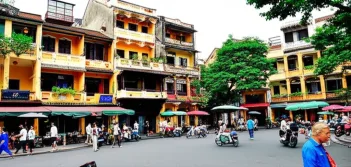
The overnight journey from Hanoi deposits you in a world transformed. Leaving behind the bustling capital, Sapa greets you with crisp mountain air, a welcome change. The town itself, a former French hill station, reveals its history in the architecture, a blend of colonial villas and traditional Vietnamese structures. According to Wikipedia, Sapa was established by the French in 1922. The initial sensory overload is intense: vibrant colors of Hmong textiles spill from shops, the aroma of street food mingles with the earthy scent of the surrounding rice terraces, and the sounds of local dialects create a unique soundscape. The landscape is dominated by the Hoang Lien Son mountains, often shrouded in mist, adding an ethereal quality. Recent travel advisories, which can be checked on DuckDuckGo, are advisable to consult for updated information regarding accessibility.
Meeting the Hmong People A Cultural Exchange
Meeting the Hmong People A Cultural Exchange:
The true heart of the Sapa trekking adventure lies not just in the scenery, but in the vibrant cultures encountered along the way, most notably the Hmong people. Instantly recognizable by their indigo-dyed clothing, often adorned with intricate embroidery, the Black Hmong constitute a significant portion of Sapa’s population. We were fortunate enough to share a meal with a Hmong family, a humbling experience that offered a glimpse into their daily lives.
Their resourcefulness is evident in their crafts, particularly their woven textiles and silver jewelry, skills passed down through generations. Interaction revealed a complex social structure rooted in kinship and community. While Vietnamese is increasingly spoken, the Hmong language remains a vital part of their identity. I learned a few basic phrases, a gesture that was warmly received. Efforts are underway to preserve Hmong culture, with organizations promoting traditional crafts and language education, crucial for safeguarding their heritage in the face of modernization.
Trekking Through Rice Terraces A Visual Symphony
Trekking Through Rice Terraces A Visual Symphony:
The following days were spent traversing the iconic rice terraces, a visual symphony etched into the landscape. The meticulously carved terraces cascaded down the hillsides, a testament to generations of agricultural ingenuity. The trek presented its challenges, with steep inclines and uneven paths demanding careful footing. Yet, the reward was immeasurable. Each upward step revealed a new panorama, a breathtaking vista of emerald green or golden yellow, depending on the season.
The agricultural practices of the local communities are inextricably linked to these rice terraces. Rice farming is not merely a means of sustenance but the very backbone of the local economy and culture. The best time to witness the rice terraces in their full glory is during the planting season (April-May) when the fields are lush green, or during the harvest season (September-October) when they turn a radiant gold. Specific locations like Muong Hoa Valley and viewpoints near Cat Cat Village offered particularly stunning vistas, providing unforgettable memories. The sense of accomplishment upon reaching these viewpoints, sweat-drenched but invigorated, was profound.
Homestay Experience Living Like a Local
Homestay Experience Living Like a Local:
Leaving the breathtaking rice terraces behind, the next stage of the Sapa adventure offered a deeper immersion into the local culture: a homestay. Far from the sterile environment of a hotel, this was an opportunity to truly live like a local. The accommodation was simple but comfortable, a room within a traditional stilt house. Meals were shared with the family, offering a taste of authentic Vietnamese cuisine.
The days were filled with observing the family’s routines, from preparing meals to tending to their animals and fields. Conversations, though sometimes challenging due to language barriers, were rich with insights into their history, their daily challenges in a changing world, and their hopes for their children’s futures. These personal connections transcended the typical tourist experience, fostering a sense of shared humanity. Learning about responsible tourism practices beforehand ensured that our stay was respectful and beneficial to the family and the community. The experience was a reminder that the true beauty of Sapa lies not just in its landscapes, but in its people.
Conquering Fansipan The Roof of Indochina
Conquering Fansipan: The Roof of Indochina
For the truly adventurous, no trip to Sapa is complete without an attempt to conquer Fansipan, the “Roof of Indochina.” The ascent, whether undertaken via a challenging trek or the modern cable car, offers unparalleled views and a profound sense of accomplishment. Traditionally, climbing Fansipan was a multi-day expedition, testing the endurance of even seasoned trekkers. Today, the cable car provides a quicker, albeit less physically demanding, route to the summit.
The cable car journey itself is an experience, soaring over lush valleys and verdant forests. Upon arriving at the top station, a final climb up a series of steps leads to the true summit, marked by a collection of religious structures and the iconic Fansipan peak. Regardless of the method chosen, reaching the summit provides a breathtaking panoramic view of the surrounding landscape. The air is thin, and the clouds often swirl around the peak, creating an ethereal atmosphere. The sense of achievement, standing atop the highest point in Indochina, is truly unforgettable.
Sapa’s Culinary Delights A Taste of Vietnam
Sapa’s Culinary Delights A Taste of Vietnam
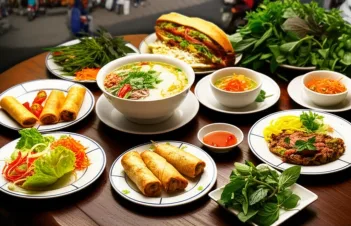
The Sapa trekking adventure extends beyond breathtaking vistas to a rich culinary landscape. After the demanding climb of Fansipan, the hearty and flavorful dishes of Sapa offer a welcome reward. One particularly memorable dish is thang co, a traditional Hmong stew made with various meats and spices, a true test of adventurous palates. Another must-try is the grilled pork, often marinated with local herbs and spices, found sizzling at numerous food stalls.
Com lam, sticky rice cooked in bamboo tubes, provides a simple yet satisfying energy boost, while the fresh spring rolls, bursting with local greens and herbs, offer a lighter option. The cultural significance of food is evident in the communal dining experiences, where sharing dishes fosters a sense of connection. Visiting the local markets provides an opportunity to witness the vibrant array of ingredients that make Sapa cuisine so unique. The night market is especially lively, filled with the smells of grilling meats and the sounds of vendors hawking their wares. Sampling the local rice wine adds another layer to the Sapa culinary experience.
Reflections on the Sapa Trekking Adventure
Reflections on the Sapa Trekking Adventure:
The Sapa trekking adventure is an experience etched in memory. Key highlights include the stunning vistas of terraced rice paddies cascading down mountainsides, the warm hospitality of the local Hmong and Dao communities, and the challenging yet rewarding hikes through diverse terrains. Overcoming steep inclines and unpredictable weather conditions fostered a sense of accomplishment.
The journey instilled a deeper appreciation for the simplicity and resilience of rural life. Witnessing the cultural traditions and the intricate craftsmanship of the local people was truly inspiring.
For future travelers, thorough preparation is crucial. Pack layers for fluctuating temperatures, sturdy hiking boots, and insect repellent. Respect local customs and engage with the communities responsibly. Consider hiring a local guide for an enriched cultural experience and to support the local economy.
Sapa’s beauty lies not only in its landscapes but also in its vibrant cultural tapestry, a place of lasting impressions.
Final thoughts
The Sapa trekking adventure offers a profound connection with nature and culture. From the breathtaking rice terraces to the warm hospitality of the ethnic minorities, every moment is an immersion into Vietnam’s highlands. This journey leaves a lasting impression, reminding us of the beauty of simplicity and the importance of cultural exchange. Sapa is an unforgettable destination that enriches the soul.