Hanoi, a city celebrated for its rich culture and history, is also a street food paradise. This article dives into the heart of Hanoi’s culinary scene, exploring the diverse and delicious offerings found on its bustling streets. From savory noodle soups to unique coffee creations, get ready to discover the flavors that make Hanoi a must-visit destination for food lovers.
Understanding Hanoi’s Street Food Culture
Pho: A Hanoian Staple
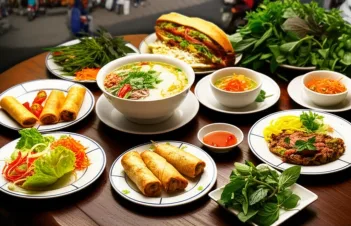
Pho is arguably Hanoi’s most iconic dish, a culinary emblem recognized worldwide. More than just a soup, it’s a cultural experience deeply woven into the fabric of Hanoian life. While various types exist, Pho Bo (beef) and Pho Ga (chicken) remain the most popular. The soul of Pho lies in its delicate rice noodles, bathed in a rich, aromatic broth simmered for hours with spices. Tender slices of meat and fresh herbs add layers of flavor and texture.
Though Pho can be enjoyed anytime, it is most traditionally eaten for breakfast. You will find many locals enjoying a bowl of Pho on their way to work. Many also believe it to be a great hangover cure. While numerous establishments offer their take on this classic, some, like Pho Suong, have gained renown for their unique recipes and techniques. These restaurants are recommended because of their quality, and the fact that many locals enjoy them. Experiencing Pho in Hanoi is not just about tasting a dish; it’s about immersing oneself in the city’s culinary heritage.
Pho A Hanoian Staple
Pho, without a doubt, reigns supreme as Hanoi’s most iconic dish. This fragrant noodle soup is more than just a meal; it’s a symbol of Vietnamese culinary identity. There are two primary types: Pho Bo, featuring tender beef, and Pho Ga, showcasing succulent chicken. The magic lies in the combination of soft rice noodles, a deeply flavorful broth simmered with aromatic spices, and the freshness of herbs like cilantro and mint.
Traditionally, Pho is enjoyed as a hearty breakfast, providing warmth and sustenance to start the day. Many locals also swear by its restorative properties as a hangover cure. Some popular Pho restaurants in Hanoi include Pho Suong, renowned for its rich broth, and Pho Gia Truyen Bat Dan, a local favorite.
While the basic elements remain consistent, regional variations exist, with each area adding its unique touch. Pho’s history is a fascinating blend of influences, reflecting Vietnam’s cultural evolution. As we move on to Bún Chả, remember the comforting simplicity of Pho, a dish that embodies the soul of Hanoi.
Bún Chả A Grilled Pork Delight
Following the delightful exploration of Phở, another Hanoian culinary treasure awaits: Bún Chả. This dish presents a harmonious blend of flavors and textures, showcasing the ingenuity of Vietnamese cuisine. Bún Chả features grilled pork meatballs, often patties and slices of pork belly, served with rice vermicelli noodles, fresh herbs like mint and cilantro, and a flavorful dipping sauce called nước chấm.
Traditionally, diners assemble their own bites by dipping the noodles and herbs into the nước chấm, then adding the grilled pork. The balance of smoky, savory pork, refreshing herbs, and the sweet, sour, and umami notes of the dipping sauce create a symphony of taste.
Bún Chả gained international recognition when Anthony Bourdain and President Obama famously enjoyed it together at Bún Chả Hương Liên. This establishment, now often called “Bún Chả Obama,” remains a popular spot, but many other places throughout Hanoi offer equally delicious versions. For a taste of this iconic dish, explore local eateries in the Old Quarter, where the aroma of grilled pork fills the air, promising a culinary experience you won’t want to miss.
Beyond the Classics Exploring Other Must-Try Dishes
Beyond the Classics: Exploring Other Must-Try Dishes
While Phở and Bún Chả often steal the spotlight, Hanoi’s street food scene boasts a treasure trove of other culinary delights. Bún Riêu, a vermicelli crab tomato soup, offers a refreshingly tangy experience. The broth, infused with tomatoes and crab paste, creates a unique sour flavor, perfect for warmer days. Find it at various street stalls in the Old Quarter.
For a more substantial meal, try Chả Cá Lăng, fried turmeric fish with dill. Chunks of flaky fish marinated in turmeric are pan-fried with dill and served with rice noodles and peanuts. This flavorful dish can be found at Chả Cá Thăng Long.
Adventurous eaters should seek out Ốc Gừng Sả, ginger lemongrass snails. These snails are steamed with ginger and lemongrass, offering a light and fragrant flavor, often served with a tangy dipping sauce. Many street food stalls near Hoan Kiem Lake offer this delicacy.
Bánh Cuốn, steamed rice rolls, are a delicate and savory treat. Thin rice paper is steamed and filled with minced pork and vegetables, served with fresh herbs and dipping sauce. Find them at street vendors throughout the city.
Finally, no culinary exploration of Hanoi is complete without Bánh Mì, the Vietnamese sandwich. A crispy baguette filled with pate, cold cuts, and pickled vegetables, it’s a convenient and delicious option. Bánh Mì 25 is a popular spot, but neighborhood stalls offer authentic versions.
Sweet Endings Hanoi’s Dessert Scene
Sweet Endings Hanoi’s Dessert Scene
No culinary adventure is complete without exploring the sweet side of a destination. Hanoi’s street food scene offers a delightful array of desserts, with Cà Phê Trứng (egg coffee) and Chè (Vietnamese sweet soup) standing out as must-try treats. The egg coffee, a Hanoian specialty, is a creamy concoction made by whipping egg yolks with sugar and condensed milk into a frothy, meringue-like topping, then pouring it over hot, strong coffee. This unique beverage originated at Cafe Giang, where you can still savor the authentic recipe.
Chè, on the other hand, encompasses a wide variety of Vietnamese sweet soups or puddings. These desserts are highly customizable, featuring a base of glutinous rice and an assortment of toppings like mung beans, black-eyed peas, jellies, and fresh fruits such as longan and lychee. The combination of textures and flavors makes each bowl of Chè a unique experience. For an authentic taste of these sweet delights, explore the dessert stalls in the Old Quarter, where you can create your perfect bowl of Chè.
Venturing into Hanoi Old Quarter
Venturing into Hanoi Old Quarter:
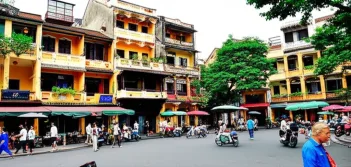
The heart of Hanoi’s street food scene beats strongest in its Old Quarter. This historic district, with its narrow, bustling streets and ancient architecture, offers a unique backdrop to your culinary adventure. Here, the aroma of sizzling meats and fragrant herbs fills the air, creating an immersive sensory experience.
Must-try spots include Ho Hoan Kiem for *Nộm Bò Khô*, a flavorful beef jerky salad. For fresh spring rolls (*Nem Cuốn*), numerous stalls line the streets, each offering their own twist. Don’t miss out on savory sticky rice (*Xôi*) for a quick and satisfying bite or fried Vietnamese dumplings (*Bánh Gối*) for a savory snack. For the adventurous, *Cháo Lòng*, pork offal congee, is a local favorite.
The atmosphere of the Old Quarter, with its blend of old-world charm and vibrant street life, elevates the street food experience. Navigating the area can be challenging, but the best food stalls are often found where the locals gather. Embrace the chaos, explore the hidden alleys, and let your senses guide you. Keep an eye out for smaller establishments or street vendors, where the authenticity of the dishes shines.
Tips for an Unforgettable Hanoi Street Food Tour
Venturing into Hanoi Old Quarter set the stage for your culinary exploration. Now, let’s equip you with essential tips to ensure your Hanoi street food tour is truly unforgettable.
First, consider your touring style. Guided tours offer invaluable insights from local experts, unveiling hidden gems and providing cultural context. Alternatively, independent exploration allows for spontaneity and personalized discovery. Embrace adventurous eating, stepping outside your comfort zone to sample diverse flavors. Don’t hesitate to try *Nom Thit Bo Ko*, *Banh Bot Loc* and *Nem* at Nom Thit Bo Ko.
Remember to respect local customs, observing dining etiquette and interacting politely with vendors. Vegetarian and vegan options are increasingly available, so inquire about plant-based alternatives. Prioritize food safety by choosing reputable vendors with visible hygiene practices. Be mindful of where the locals eat, and follow their lead.
Engage with locals, asking about their favorite dishes and stories. Embrace the unexpected, allowing serendipitous encounters to shape your culinary journey. A smile and a willingness to learn go a long way. With these tips in mind, you’re ready to embark on a safe, respectful, and deeply satisfying Hanoi street food adventure.
Final thoughts
Exploring Hanoi’s street food is an essential experience for any visitor. From the comforting warmth of Pho to the unique sweetness of egg coffee, the city offers a diverse range of flavors that cater to every palate. By venturing into the Old Quarter and embracing the local dining culture, you’ll discover not just delicious food, but also the heart and soul of Hanoi. So, come hungry and get ready for a culinary adventure you won’t forget!