Embark on a culinary journey through the bustling streets of Hanoi, Vietnam. This article will guide you through the best local eats, from savory pho to unique egg coffee, exploring the heart of Vietnamese cuisine. Discover hidden gems and must-try dishes that define Hanoi’s vibrant street food culture.
Understanding Hanoi’s Street Food Culture
Pho Bo: A Hanoian Staple
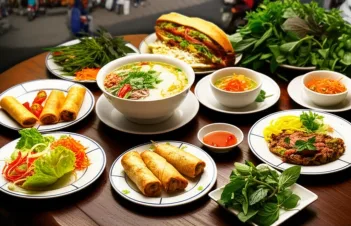
Pho Bo, or beef noodle soup, holds a special place in Hanoi’s culinary heritage. Its history is intertwined with the city’s evolution, becoming a symbol of Hanoian identity. Traditional preparation involves simmering beef bones for hours with fragrant spices like cardamom, cinnamon, coriander, and clove to create a rich and flavorful broth. Soft rice noodles, tender slices of beef, and fresh herbs are then added, resulting in a harmonious blend of textures and tastes.
While numerous pho establishments exist, some stand out for their dedication to preserving authentic flavors. Popular spots like Pho Suong and Pho Gia Truyen Bat Dan offer classic Pho Bo experiences, while lesser-known gems such as Pho 10 Ly Quoc Su provide unique variations that capture the essence of Hanoi’s culinary spirit. Each restaurant boasts its own recipe, contributing to the diverse tapestry of Pho Bo offerings in the city.
Pho Bo A Hanoian Staple
Pho Bo: A Hanoian Staple
Following an immersion in Hanoi’s vibrant street food culture, we turn our attention to a dish synonymous with the city itself: Pho Bo. This beef noodle soup is not merely a meal; it’s a culinary emblem deeply woven into Hanoi’s history and identity.
Pho Bo’s origins trace back to the early 20th century, evolving from earlier variations. Its significance lies in its perfect balance of flavors and textures, offering a comforting yet invigorating experience. The traditional preparation involves simmering beef bones for hours, creating a rich, aromatic broth infused with spices like cinnamon, star anise, and cardamom. This broth is then combined with tender slices of beef, soft rice noodles, and fresh herbs.
For an authentic taste, visit Pho Gia Truyen Bat Dan, known for its traditional preparation, or try Pho 10 Ly Quoc Su, a local favorite. Don’t hesitate to explore lesser-known spots; a steaming bowl of Pho Bo awaits on nearly every corner, each with its own unique twist on this beloved classic.
Bun Cha Grilled Pork with Vermicelli
Following the comforting embrace of Pho Bo, prepare your palate for another Hanoian staple: Bun Cha. This dish is a symphony of flavors and textures, a culinary experience that perfectly captures the spirit of Hanoi’s street food scene. Bun Cha is more than just a meal; it’s a cultural icon, a must-try for anyone seeking an authentic taste of the city.
At its heart, Bun Cha features succulent grilled pork meatballs, often accompanied by slices of pork belly, marinated in a blend of spices and caramelized to perfection over hot coals. These savory delights are served with a generous portion of vermicelli rice noodles, a vibrant medley of fresh herbs like basil and mint, and a dipping sauce known as nuoc cham, a delicate balance of fish sauce, lime juice, sugar, and chili.
Bun Cha’s popularity soared after Anthony Bourdain and President Obama famously savored it together. For an iconic experience, visit Bun Cha Huong Lien (Obama Bun Cha). Other local favorites include Bun Cha Dac Kim and Bun Cha Nem at 59 Hang Manh.
Beyond the Classics Must-Try Street Foods
Beyond the Classics: Must-Try Street Foods
While Phở and Bún Chả rightfully claim the spotlight, Hanoi’s street food scene extends far beyond these iconic dishes. Prepare your taste buds for an adventure into lesser-known, yet equally essential, culinary treasures.
First, Bún Riêu, a vermicelli soup with a tangy tomato-based broth and chunks of crab. Its unique flavor profile, often enhanced with shrimp paste, is a refreshing departure from richer noodle soups. For an authentic experience, seek out vendors near Đồng Xuân Market.
Next, Chả Cá Lã Vọng, turmeric-marinated fish pan-fried with dill and spring onions. This flavorful dish is typically served with vermicelli noodles and a variety of sauces. Head to Chả Cá Thăng Long to savor this Hanoian specialty.
Ốc Gừng Sả, steamed snails with ginger and lemongrass, offer a delightful textural contrast and aromatic experience. Find these at Đinh Liệt Street near Hoàn Kiếm Lake.
Finally, Bánh Cuốn, delicate steamed rice rolls filled with minced pork and mushrooms, are a testament to the city’s culinary finesse. Sample these at Bánh Cuốn Bà Hanh for a true taste of Hanoi.
These dishes, each with its unique flavors and cultural significance, offer a deeper dive into Hanoi’s vibrant street food scene, complementing the Bún Chả experience and setting the stage for the sweet delights to come.
Sweet Endings Hanoi’s Dessert Scene
Following the savory delights of Hanoi’s street food scene, a sweet ending awaits with the city’s traditional desserts. Among the must-try treats is Ca Phe Trung, or egg coffee, a unique Hanoi invention. This rich and creamy beverage is made by whipping egg yolks with sugar and condensed milk into a frothy, meringue-like topping, which is then poured over hot, strong coffee. For the original experience, visit Cafe Giang, where egg coffee was first created.
Another popular dessert option is Che, a term encompassing a wide variety of Vietnamese sweet soups and puddings. These desserts feature a colorful mix of ingredients like glutinous rice, beans, jellies, and tropical fruits, often topped with coconut cream. The variety is endless, with options ranging from mung bean Che to black-eyed pea Che, allowing you to customize your sweet experience. Numerous street vendors and small shops throughout Hanoi offer various Che options. For a taste of traditional Che, explore the Old Quarter and sample the diverse flavors on offer.
Navigating Hanoi’s Old Quarter for Foodies
Navigating Hanoi’s Old Quarter for Foodies:
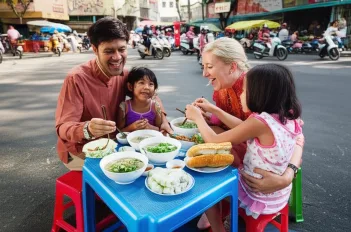
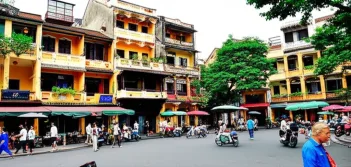
The Old Quarter is a culinary labyrinth, a must-visit for any foodie seeking an authentic Hanoi street food adventure. To navigate this vibrant district, focus on key food streets and markets.
Hang Buom street is renowned for its lively atmosphere and diverse range of street food stalls. Here, sample dishes like nem cuon (fresh spring rolls).
Dong Xuan Market offers a sensory overload of food vendors. Try bun dau mam tom (fermented shrimp paste with tofu and noodles) for a truly unique experience.
Ta Hien Street, also known as “Beer Street,” transforms in the evening, offering a variety of grilled snacks and street eats alongside local brews.
For hidden gems, venture into the smaller alleyways branching off from these main streets. Be open to trying new things and don’t be afraid to ask locals for recommendations. Remember to observe where the crowds are – a sure sign of delicious food.
Vegetarian and Vegan Options in Hanoi
Hanoi’s culinary scene isn’t just a paradise for meat-eaters; it also offers a surprising variety of vegetarian and vegan options. While traditional Vietnamese cuisine often incorporates meat or fish sauce, creative chefs have adapted classic dishes to cater to plant-based diets.
For dedicated vegetarian restaurants, look no further than *Loving Hut* and *Noodle and Roll Restaurant*. These establishments offer extensive menus featuring flavorful vegetable-based dishes, rice dishes and tofu variations.
Many restaurants now offer vegetarian versions of pho, using vegetable broth and tofu or mushrooms as substitutes for meat. *Banh Mi Chay*, a vegetarian take on the classic Vietnamese sandwich, is also widely available, filled with tofu, pickled vegetables, and fresh herbs. Don’t hesitate to ask restaurants if they can prepare dishes *chay* (vegetarian) – you might be surprised at the delicious adaptations they can create!
Final thoughts
Hanoi’s street food scene is a vibrant tapestry of flavors and experiences, offering something for every palate. From the iconic Pho to the unique egg coffee, each dish tells a story of Vietnamese culture and culinary innovation. Exploring these local eats is an essential part of any visit to Hanoi, providing a delicious and immersive way to connect with the city’s heart and soul. Remember to venture beyond the familiar and embrace the culinary adventure that awaits.