Embark on a flavorful adventure through the bustling streets of Hanoi, Vietnam. This article, crafted in collaboration with Le Toan Travel, unveils the secrets of Hanoi’s vibrant street food scene. From savory pho to crispy banh mi, we’ll explore the most iconic dishes and hidden culinary gems that define Hanoi’s unique gastronomic identity. Get ready to tantalize your taste buds and immerse yourself in the heart of Vietnamese cuisine.
The Allure of Hanoi Street Food
Pho: The Soul of Vietnamese Cuisine
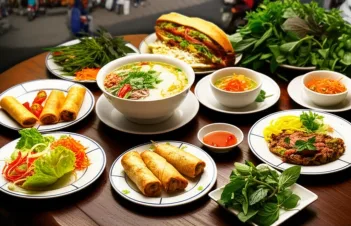
Pho, arguably Vietnam’s most iconic dish, holds a special place in Hanoi’s culinary heritage. Its origins trace back to the early 20th century, evolving from influences of both Vietnamese and French cuisines. Pho is more than just a soup; it’s a flavorful experience.
The preparation of Pho begins with a rich broth, simmered for hours with beef bones and aromatic spices like cinnamon, star anise, and cloves. Two primary types of Pho stand out: Pho Bo (beef Pho) and Pho Ga (chicken Pho). Pho Bo features tender slices of beef, while Pho Ga offers a lighter, yet equally satisfying, chicken-based broth.
For an authentic taste of Pho in Hanoi, consider visiting renowned establishments such as Phở Gia Truyền Bát Đàn and Phở 10 Lý Quốc Sư. These restaurants uphold traditional recipes and techniques, providing a genuine glimpse into the heart of Vietnamese culinary tradition. Pho is not just a meal; it’s a cultural experience, best enjoyed hot, any time of the day.
Pho The Soul of Vietnamese Cuisine
Pho: The Soul of Vietnamese Cuisine
No culinary journey through Hanoi is complete without experiencing pho, the soul of Vietnamese cuisine. This iconic noodle soup, believed to have originated in the early 20th century, is a testament to Hanoi’s culinary heritage. Pho traditionally consists of a flavorful broth, rice noodles, and slices of meat, typically beef (pho bo) or chicken (pho ga). Pho bo is known for its rich, savory broth simmered with aromatic spices, while pho ga offers a lighter, more delicate flavor.
The preparation of pho is an art form, with the broth requiring hours of simmering to extract its full depth of flavor. The noodles must be perfectly cooked to achieve a tender yet slightly chewy texture. Renowned pho establishments in Hanoi include Phở Gia Truyền Bát Đàn and Phở 10 Lý Quốc Sư. Enjoyed any time of day, pho is often savored as a comforting breakfast or a revitalizing hangover cure. When eating pho, it is customary to add fresh herbs, lime juice, and chili to enhance the flavors.
Bun Cha A Hanoi Culinary Staple
Bun Cha: A Hanoi Culinary Staple
Beyond Pho, Hanoi boasts another culinary gem: Bun Cha. This dish is a must-try, offering a unique taste of Hanoi. Bun Cha features grilled fatty pork served in a flavorful broth, accompanied by vermicelli rice noodles, fresh herbs, and a savory dipping sauce. The combination of smoky pork, refreshing herbs, and tangy sauce creates a delightful explosion of flavors.
The components of Bun Cha are simple yet perfect. The grilled pork, often marinated in a blend of spices, is the star. The vermicelli noodles provide a light base, while the fresh herbs add a refreshing touch. The dipping sauce, typically made with fish sauce, vinegar, sugar, and chili, ties everything together.
For the best Bun Cha experience, visit Bún Chả Hương Liên (Obama Bun Cha), famously visited by Anthony Bourdain and Barack Obama, or Bún Chả Dac Kim, known for its traditional preparation. Enjoy Bun Cha during lunchtime for an authentic Hanoi experience. Don’t hesitate to mix all the ingredients in the bowl and adjust the dipping sauce to your liking.
Banh Mi A Fusion of Flavors
Banh Mi: A Fusion of Flavors
Following the savory delights of Bun Cha, Hanoi’s street food scene offers another iconic dish: Banh Mi. This Vietnamese sandwich is a testament to the country’s history, a delightful fusion of French colonial influences and local flavors. The Banh Mi’s story began during the French colonial period when the baguette was introduced to Vietnam. Local ingenuity transformed this simple bread into a culinary masterpiece.
In Hanoi, Banh Mi variations are abundant. While the classic includes pate, cold cuts, and pickled vegetables, vendors offer creative fillings to satisfy every palate. Some popular choices are grilled pork, chicken, or even vegetarian options like tofu. Two standout vendors are Banh Mi 25 and Banh Mi P, both renowned for their unique takes on this beloved sandwich. Banh Mi is more than just a meal; it’s a symbol of Vietnamese street food culture, offering a quick, affordable, and delicious bite any time of day.
Egg Coffee A Hanoi Specialty
Egg Coffee: A Hanoi Specialty
Among Hanoi’s unique culinary offerings, Egg Coffee, or *Cà Phê Trứng*, stands out as a must-try delicacy. Invented in 1946 by Mr. Nguyen Giang of Cafe Giang, this beverage was born out of milk shortages when he ingeniously substituted egg yolks. It is made by whisking egg yolks with sugar and condensed milk until it forms a light, airy, meringue-like foam. This sweet, creamy mixture is then carefully poured over hot, strong Vietnamese coffee.
The taste is a delightful combination of bitter coffee and sweet, rich custard. The texture is velvety smooth, with the frothy egg providing a luxurious mouthfeel. Enjoying Egg Coffee is a unique Hanoi experience, a testament to the city’s culinary creativity. For the best Egg Coffee, visit Cafe Giang, the birthplace of this drink, or Cafe Dinh, known for its original recipe and charming ambiance, despite its somewhat “sketchy entrance”. The ideal time to savor Egg Coffee is in the morning or as an afternoon treat. For first-time drinkers, stir the egg foam into the coffee for a harmonious blend of flavors.
Beyond the Classics Exploring Other Hanoi Street Foods
Beyond the Classics: Exploring Other Hanoi Street Foods
Hanoi’s culinary scene extends beyond pho and banh mi, offering a diverse array of street food delights. Banh Xeo, a crispy crepe filled with shrimp, pork, and bean sprouts, is a must-try. The batter, made from rice flour, coconut milk, and turmeric, is fried to perfection, creating a delightful contrast of textures. For the best experience, head to Nha Hang Mr. Bay Mien Tay in the Old Quarter.
Bun Rieu, a flavorful crab noodle soup, is another local favorite. The broth, rich with tomato and crab paste, is typically served with vermicelli noodles, fried tofu, and fresh herbs. Try it at a local eatery under the railway bridge for an authentic taste.
Cha Ca, turmeric-marinated fish grilled with dill and spring onions, is a unique Hanoi specialty. This dish is often enjoyed with rice noodles and a variety of dipping sauces. Head to Chả Cá Thăng Long to taste one of the best Cha Ca in Hanoi.
These dishes hold cultural significance, reflecting Hanoi’s history and culinary traditions. Enjoying them at local eateries offers an immersive experience, connecting you with the heart of Hanoi’s vibrant street food culture. Remember to try these dishes during lunchtime for the best experience.
Le Toan Travel Your Guide to Hanoi’s Culinary Scene
Le Toan Travel: Your Guide to Hanoi’s Culinary Scene
Le Toan Travel elevates your Hanoi street food adventure, transforming it from a simple tasting experience into a deep dive into Vietnamese culture. We offer curated food tours led by passionate local guides, each an expert in Hanoi’s culinary heritage. These tours venture beyond the typical tourist spots, revealing hidden gems and authentic flavors that only locals know.
Our food tours cater to diverse interests, from classic street food crawls to specialized culinary explorations. Imagine savoring *pho* in a family-run establishment, learning the art of *banh mi* preparation from a seasoned vendor, or discovering the nuances of *bun cha* in a hidden alleyway.
The benefits of a guided tour are immense. Our guides provide insider knowledge, access to exclusive locations, and invaluable cultural context. They share stories behind each dish, explaining its origins and significance in Hanoi’s vibrant tapestry. Don’t just eat; understand.
We also offer unique experiences, such as hands-on cooking classes where you can master Vietnamese culinary techniques, and market visits where you can learn about local ingredients and interact with vendors.
Booking a tour with Le Toan Travel is easy, and special offers are frequently available. Let us guide you on an unforgettable culinary journey through Hanoi.
Final thoughts
Hanoi’s street food scene is a vibrant tapestry of flavors, aromas, and cultural experiences. From the comforting warmth of pho to the crispy delight of banh mi, each dish tells a story of Hanoi’s rich history and culinary innovation. Partnering with Le Toan Travel unlocks the city’s hidden gems, offering an immersive journey into the heart of Vietnamese cuisine. So, pack your appetite and get ready to explore the unforgettable tastes of Hanoi.