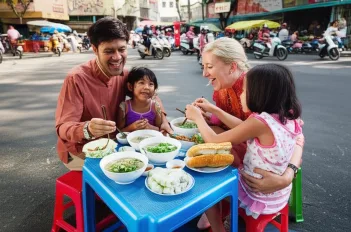
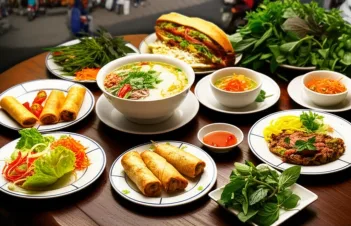
Welcome to the ultimate guide to Halong Bay’s street food scene! In this Q&A, we’ll dive into the most frequently asked questions about the local delicacies, from the must-try dishes to where to find them. Get ready to embark on a culinary journey through the heart of Halong Bay and discover the flavors that make this destination so unique.
What are the must-try street foods in Halong Bay?
What are the must-try street foods in Halong Bay?
Ready for a culinary adventure? Halong Bay isn’t just about stunning scenery; it’s a street food paradise! Here are five must-try dishes that will tantalize your taste buds:
1. Chả Mực (Squid Sausage): The star of Halong cuisine! Made with fresh, high-quality squid, hand-ground and fried to golden perfection. The crunchy exterior and juicy interior are irresistible. Find it at local markets and stalls around Halong City. It’s a must-try because of the freshness of the squid.
2. Sam (Horseshoe Crab): A unique crab offering a variety of dishes like salads, sweet and sour preparations, and more. The sweet and sour version is a local favorite. Try it for a taste of the bay’s unique marine life.
3. Ngán (Austriella Corrugata): This krill, found in mangrove estuaries, is surprisingly delicious! Enjoy it grilled, steamed, or stir-fried. Don’t miss Ngán wine, a local specialty. It is a must-try because it is a very local delicacy.
4. Sá Sùng (Sipunculus Nudus): Also known as sea worm, it is a rare and expensive delicacy. Dried and grilled or fried with garlic, it’s a unique flavor experience. It’s a must-try for adventurous eaters!
5. Gật Gù Cake: A special rice cake, similar to steamed rolled rice pancake. Served with fish sauce, minced pork, and fried onions, its soft texture and savory flavor will have you nodding in approval. It is a must-try because it is very local.
Where can I find the best street food in Halong Bay?
Where can I find the best street food in Halong Bay?
Halong Bay offers a variety of locations to indulge in authentic street food. For a concentrated experience, visit Halong City’s local markets. These bustling hubs teem with vendors selling everything from fresh seafood to grilled meats and local cakes.
Bai Chay area is another prime spot, particularly along its main streets and near the beach. Here, you’ll find numerous stalls offering dishes like “Banh Cuon Cha Muc” (steamed rice rolls with squid sausage).
For a more structured setting, explore the restaurants in Hong Gai, known for their high-quality seafood and traditional Vietnamese dishes. While not strictly street food, they offer a similar culinary experience with a focus on local flavors.
Specific areas like Tien Yen are famous for “Gật Gù Cake,” so a trip there is a must for cake enthusiasts. Always prioritize vendors and restaurants that are popular with locals, as they tend to offer the most authentic and fresh food. Remember to check for cleanliness and hygiene to ensure a safe and enjoyable culinary adventure.
What is ‘Cha Muc’ and why is it so famous?
‘Cha Muc,’ or squid sausage, is a culinary jewel unique to Halong Bay. It’s made primarily from fresh squid caught in the bay’s waters, which contributes significantly to its distinct flavor and texture. Unlike sausages made from ground meat, ‘Cha Muc’ uses minced squid, creating a chewier, more succulent bite.
The preparation involves carefully grinding the squid meat by hand, a process that preserves the squid’s natural flavors and ensures a unique consistency. The minced squid is then mixed with spices and formed into patties before being deep-fried to a golden brown.
What sets Halong’s ‘Cha Muc’ apart is the freshness of the squid and the traditional methods used in its preparation. Locals often enjoy it with sticky rice (‘Xoi’) or steamed rice rolls (‘Banh Cuon’), enhancing the dish’s savory profile. It’s not just food; it’s a taste of Halong Bay’s maritime heritage, often shared during festivals and family gatherings. You can find it sold at any store and stalls around Halong City, especially at the local market, a testament to its cultural significance.
Is it safe to eat street food in Halong Bay?
Is it safe to eat street food in Halong Bay?
Generally, street food in Halong Bay is safe to eat if you choose vendors wisely. However, like any travel destination, it’s important to be cautious.
To ensure a safe and enjoyable experience, look for vendors with:
* High foot traffic: Popular stalls often indicate fresh ingredients and quick turnover.
* Cleanliness: Observe the vendor’s hygiene practices. Avoid stalls with visible dirt, unsanitary food handling, or unclean cooking surfaces.
* Freshly cooked food: Opt for food that is cooked to order and served hot.
* Proper food storage: Make sure raw and cooked foods are stored separately.
Be mindful of potential health concerns such as traveler’s diarrhea. Drinking bottled water and avoiding ice made from tap water is always a good idea. If you have a sensitive stomach, start with smaller portions. If you’re hesitant, reputable restaurants are a safe alternative, though you’ll miss out on the authentic street food experience.
How much should I expect to pay for street food in Halong Bay?
How much should I expect to pay for street food in Halong Bay?
Street food in Halong Bay is generally quite affordable, offering a delicious way to experience local flavors without breaking the bank. Prices can vary, but here’s a general idea: Most street food items range from VND 15,000 to VND 50,000 (USD 0.65 to USD 2.20).
For specific dishes, expect to pay around VND 30,000 to VND 70,000 (USD 1.30 to USD 3.00) for a serving of “Cha Muc” (squid sausage), a local specialty. “Gật Gù” cake is very cheap and you can find it for VND 10,000 to VND 20,000 (USD 0.43 to USD 0.87).
Several factors influence pricing. Location plays a role; vendors in tourist hotspots might charge slightly more. The type of vendor also matters; street stalls are typically cheaper than small restaurants.
To get the best value, explore beyond the main tourist areas and compare prices at different stalls. Don’t be afraid to try less well-known vendors – you might discover a hidden gem! Keep an eye out for stalls popular with locals, as they often offer the most authentic and affordable options. As always, check prices before ordering to avoid any surprises.
Are there any vegetarian or vegan street food options in Halong Bay?
Are there any vegetarian or vegan street food options in Halong Bay?
Finding dedicated vegetarian or vegan street food in Halong Bay can be challenging, as seafood dominates the local cuisine. However, some options and modifications can cater to these dietary needs.
Gật Gù Cake, while traditionally served with pork, might be available plain or with vegetable fillings at some stalls. Inquire about the ingredients. Bánh cuốn (steamed rice rolls) can sometimes be found with mushroom or vegetable fillings instead of the typical pork.
If options are limited, request modifications. Spring rolls (nem or cha gio) can be ordered without meat. Fried tofu (đậu phụ chiên) is widely available and can be a good source of protein. Rice and noodle dishes can be prepared with vegetables only.
Communicate clearly with vendors about your dietary requirements. Use a translation app or learn a few basic Vietnamese phrases like “Tôi ăn chay” (I am vegetarian) or “Không thịt” (no meat). Be specific about ingredients to avoid fish sauce or shrimp paste, which are commonly used in Vietnamese cooking. With some careful selection and clear communication, you can enjoy delicious meat-free meals in Halong Bay.
What drinks pair well with Halong Bay street food?
What drinks pair well with Halong Bay street food?
To truly immerse yourself in the Halong Bay culinary experience, consider pairing your street food with local beverages. For an alcoholic option, try *Ngán wine*, a unique drink made from a combination of krill blood and rice wine. It has a distinctive and somewhat acquired taste, often described as having a savory flavor with a slightly metallic tang. It is considered a delicacy by locals and pairs well with seafood dishes like grilled *Ngán* itself.
If you prefer non-alcoholic options, *Trà đá* (iced tea) is a ubiquitous and refreshing choice throughout Vietnam. It is typically a light, unsweetened green tea that cleanses the palate and complements the rich flavors of many street foods. Another local favorite is *nước mía* (sugar cane juice), a sweet and refreshing drink perfect for balancing the spiciness of dishes like *Sam* (horseshoe crab) prepared with chili.
When drinking in Halong Bay, it’s customary to share drinks with your companions and offer a toast before taking a sip. Remember to drink responsibly and respect local customs.
Final thoughts
Exploring Halong Bay’s street food is an essential part of any visit. From the unique flavors of Cha Muc to the intriguing Gat Gu cake, there’s something to delight every palate. By following our Q&A guide, you’ll be well-prepared to navigate the local culinary scene, ensuring a safe, delicious, and unforgettable gastronomic adventure. So, get ready to savor the tastes of Halong Bay!